Music & Arts
Congo gave the world rumba, soukous, and a galaxy of legendary artists.
Congolese music is among the most influential in the world. Born from the rhythms of the Congo Basin and refined in the clubs of Kinshasa, it has shaped African pop, Latin music, and global dance floors for over a century.
The Sound of Congo
Congolese Rumba & Soukous
Congolese rumba emerged in the 1940s, blending traditional Congolese rhythms with Cuban son (itself partly rooted in African music brought by enslaved Congolese). What came back from Cuba was transformed on Congolese soil into something entirely new — characterized by layered guitars, brass sections, and call-and-response vocals.
By the 1960s and 70s, Congolese rumba — also called soukous — had spread across Africa and beyond. Kinshasa's legendary nightclubs like the ABC and Chez Faignond were incubators of a sound that would define a continent. In 2021, Congolese Rumba was inscribed on UNESCO's Intangible Cultural Heritage list.
Legendary Artists
The Giants of Congolese Music
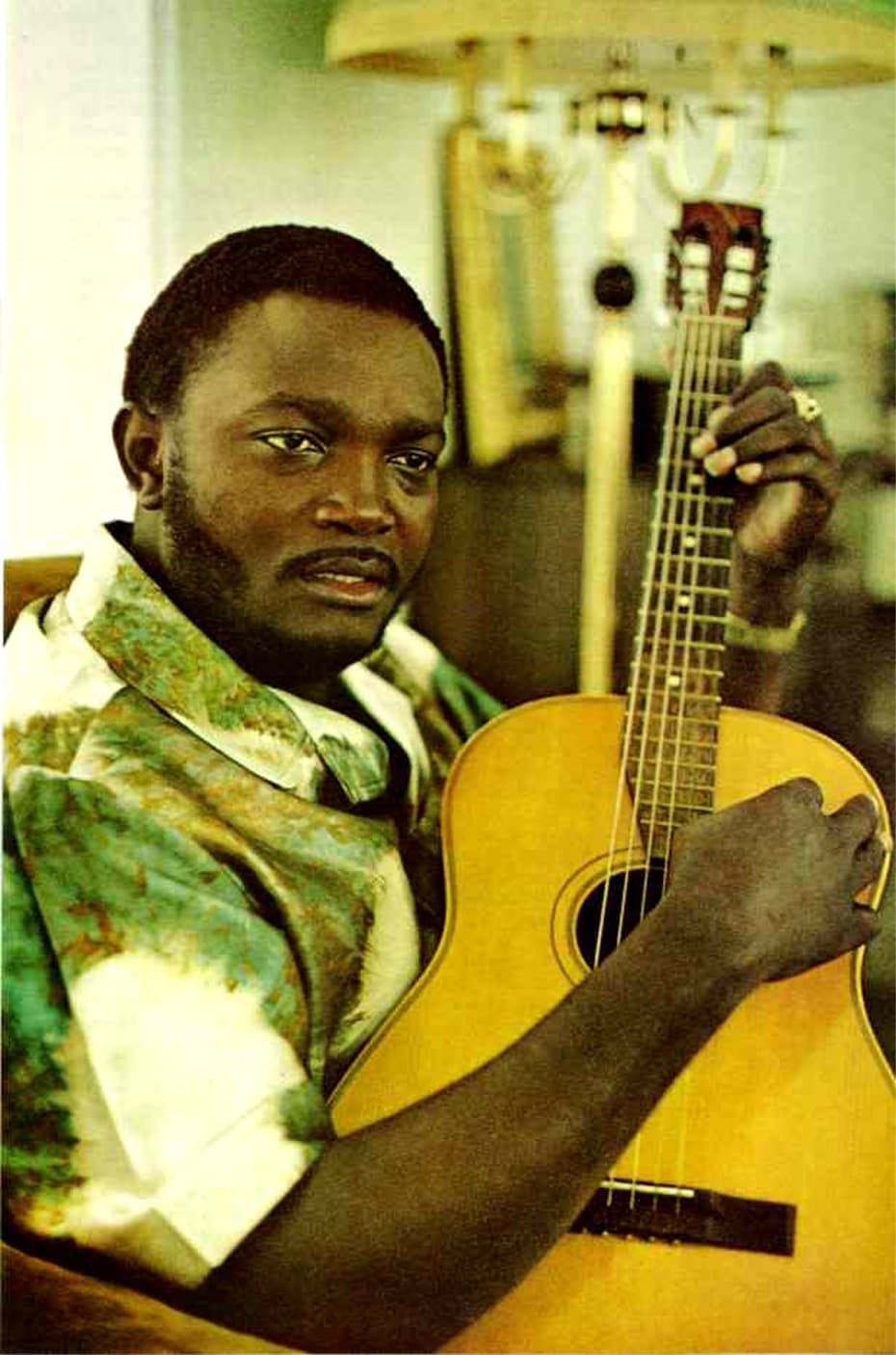
Franco Luambo
The Grand Maître — founder of OK Jazz, the most famous orchestra in African history. Franco's guitar playing and witty, often satirical lyrics defined Congolese rumba for five decades.
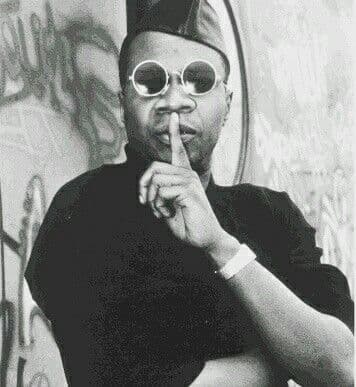
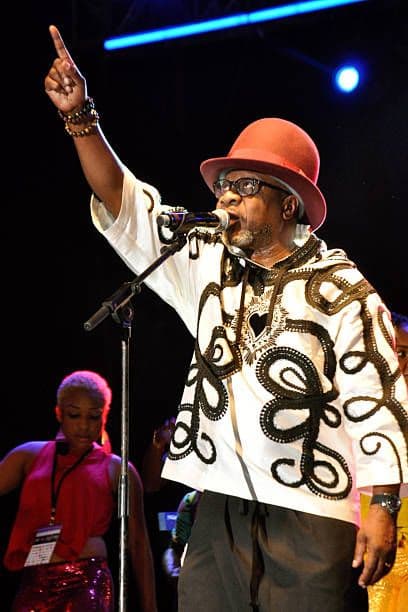
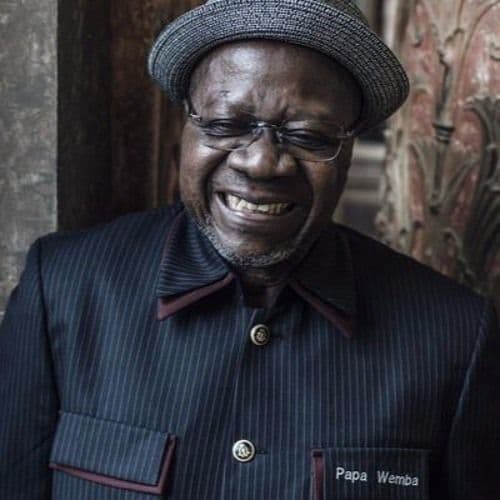
Papa Wemba
King of Rumba. Founder of Viva la Musica and a pioneer of the SAPE movement. Papa Wemba brought Congolese music to world stages and blended rumba with world pop with unmatched elegance.
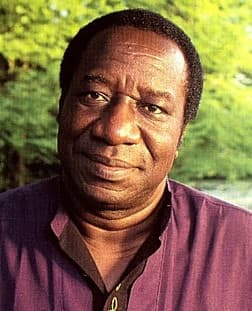
Tabu Ley Rochereau
The 'African Elvis' — a pioneering singer, composer, and bandleader whose velvet voice and romantic lyrics made him one of the most popular African artists of the 20th century.
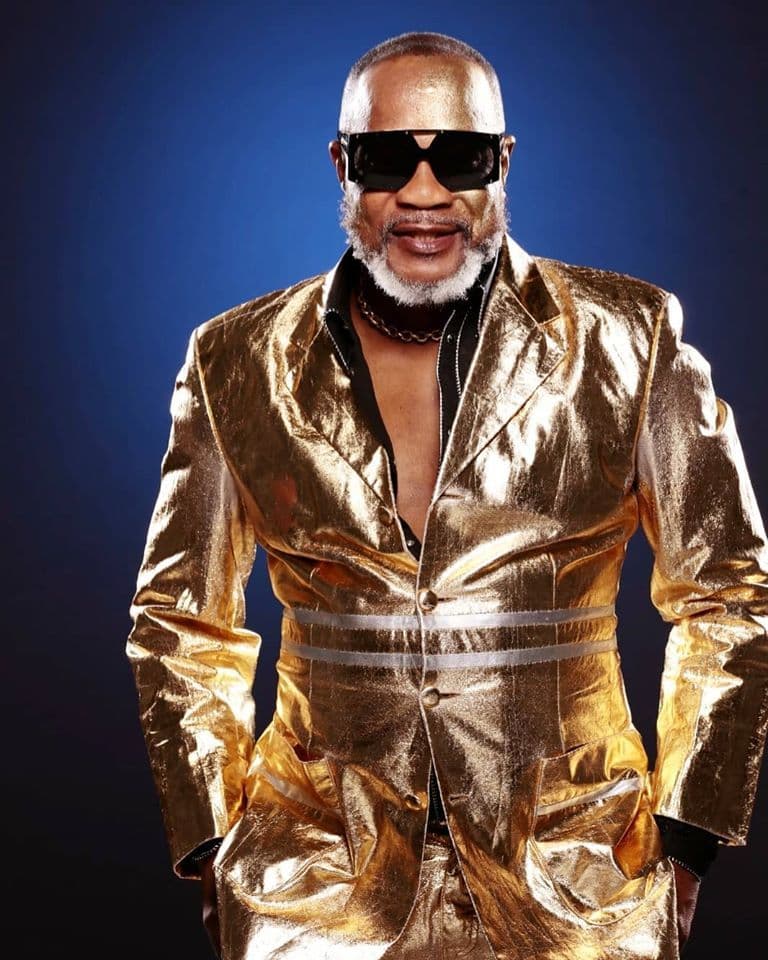
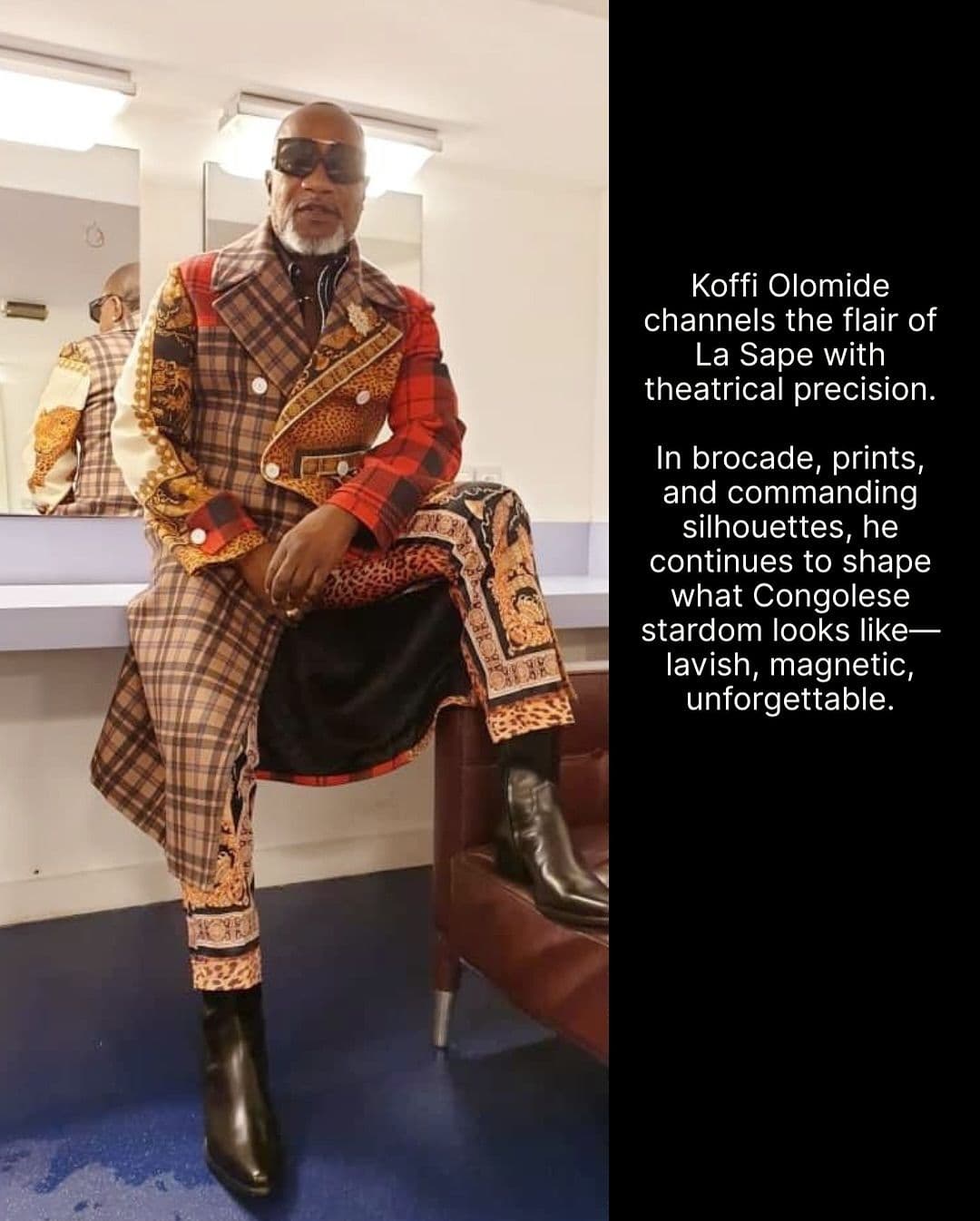
Koffi Olomidé
Ndombolo king. One of the biggest stars in African music history — known for explosive stage shows, classic albums, and a career spanning four decades.
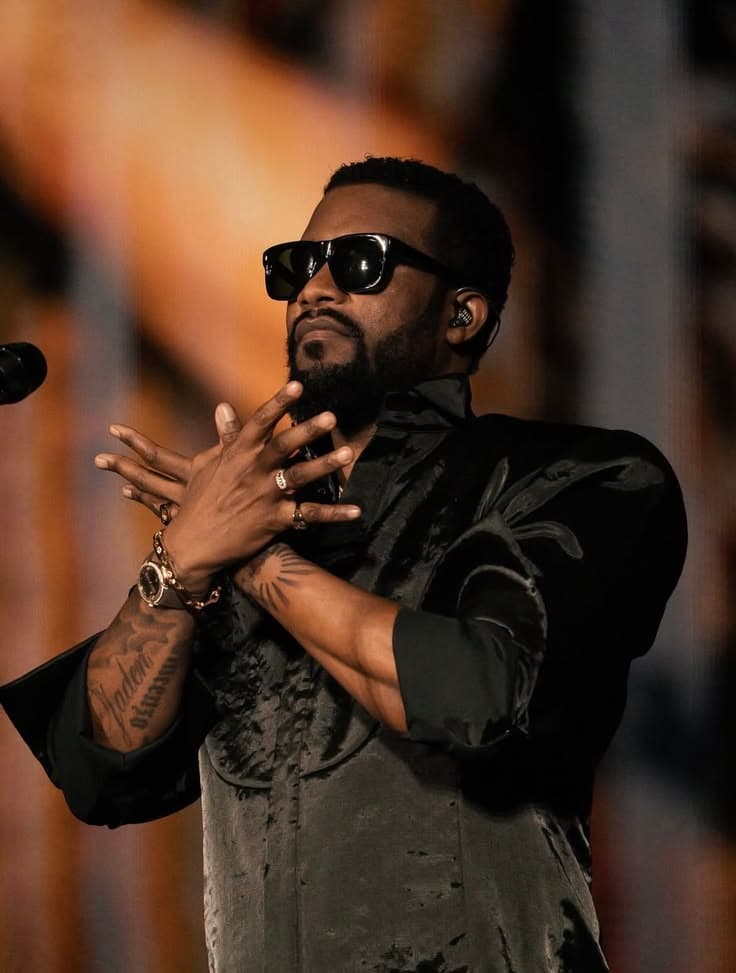
Fally Ipupa
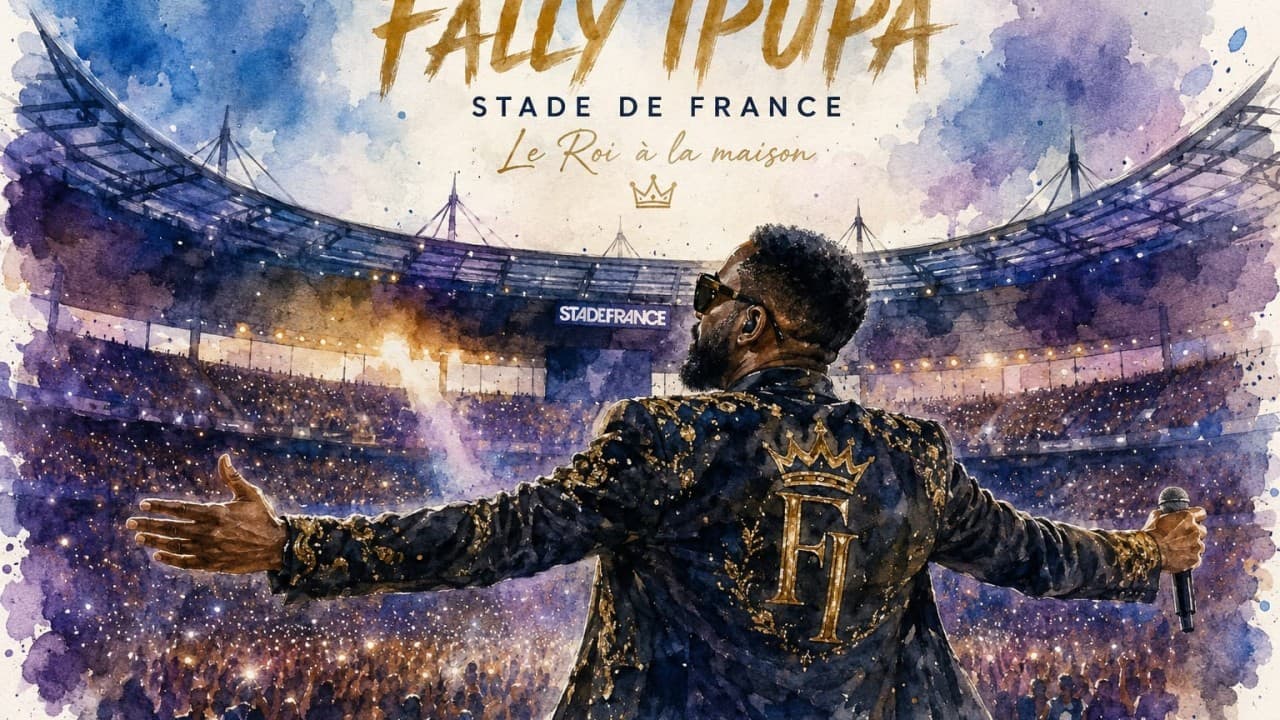
The biggest Congolese star of his generation — and one of the biggest in Africa. Fally has sold out the Stade de France twice and collaborated with global artists from Dadju to Sting.
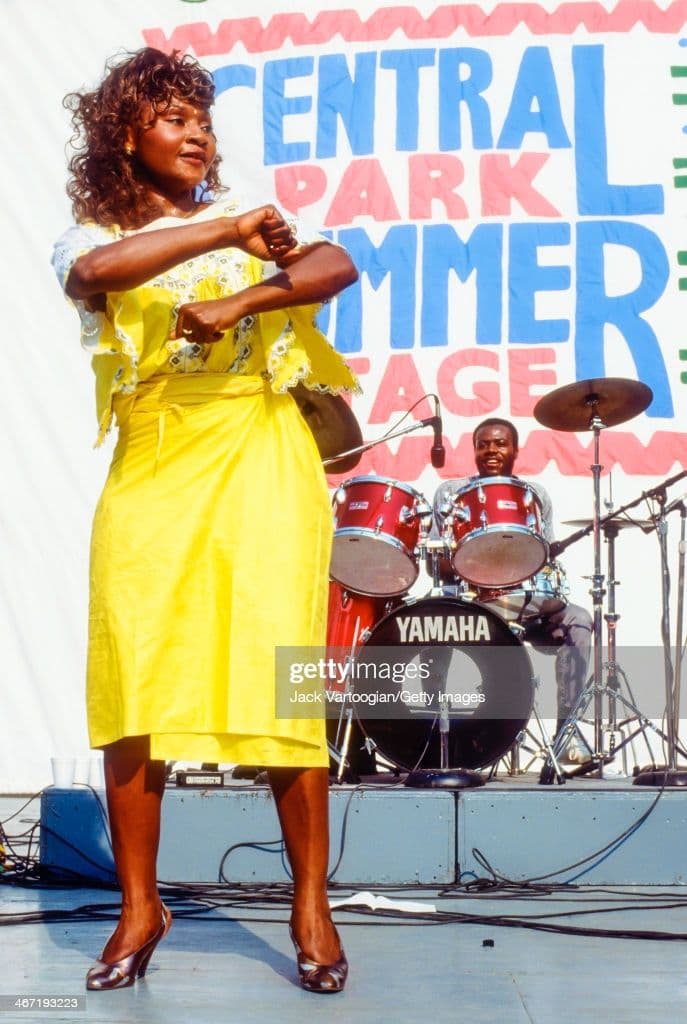
Mbilia Belle
One of Africa's greatest female vocalists. Her collaborations with Tabu Ley Rochereau produced timeless classics and inspired generations of African women artists.
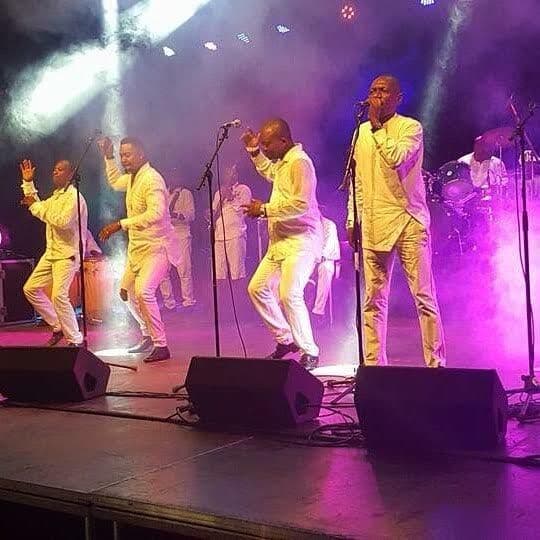
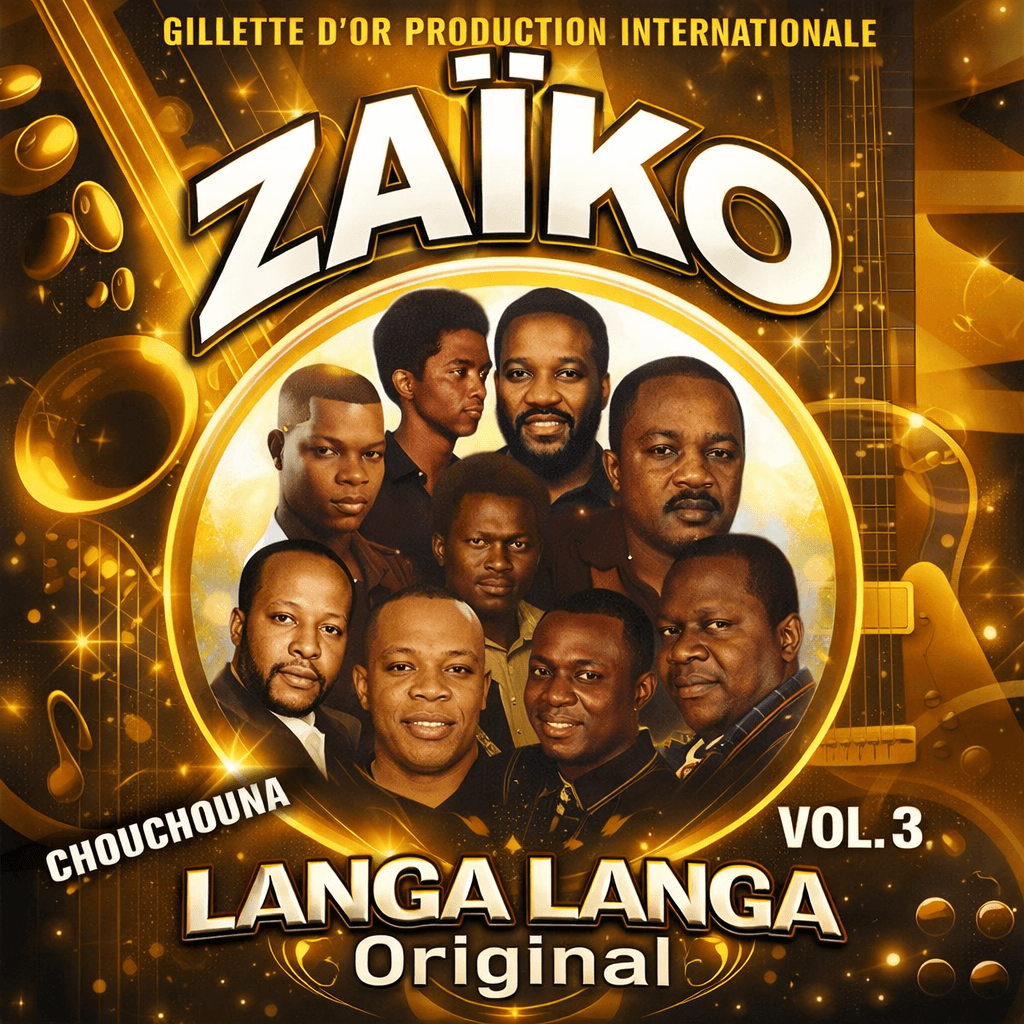
Zaiko Langa Langa
The revolutionary band that gave birth to soukous — a faster, electric evolution of rumba. Zaiko's energy and innovation defined the sound of Kinshasa in the 1970s and beyond.
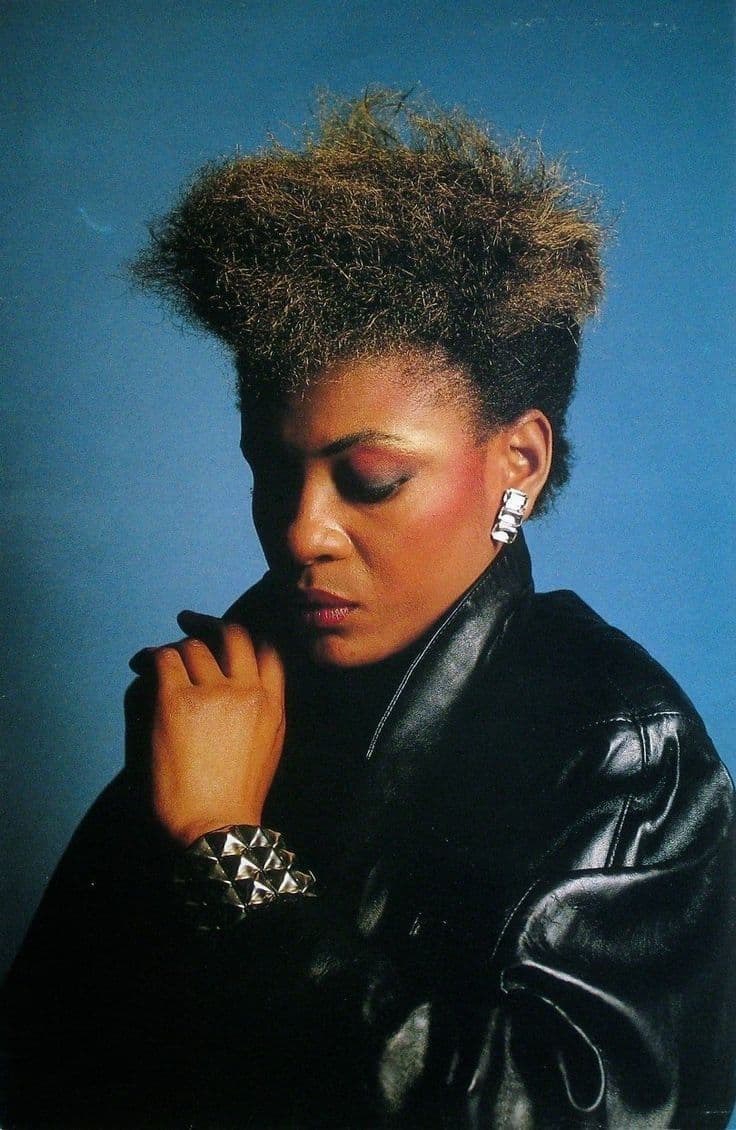
Tshala Mwana
The Mutuashi Queen — celebrated for her traditional mutuashi dance style, powerful voice, and her role in elevating Congolese women's presence in popular music.
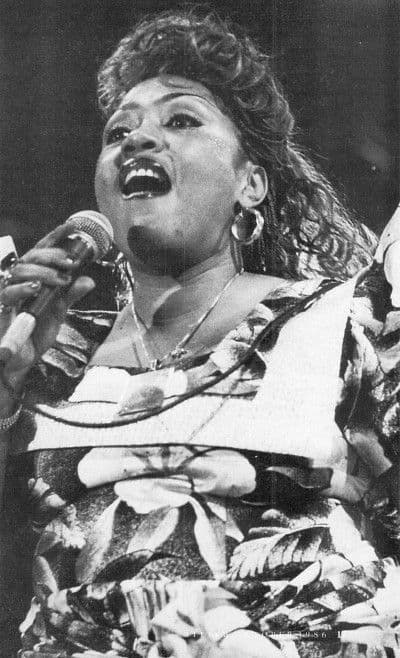
Abeti Masikini
A trailblazer for Congolese women in music. Known as 'The Fiancée of the Public,' her powerful voice and charismatic performances made her a beloved icon of the 1970s–80s.
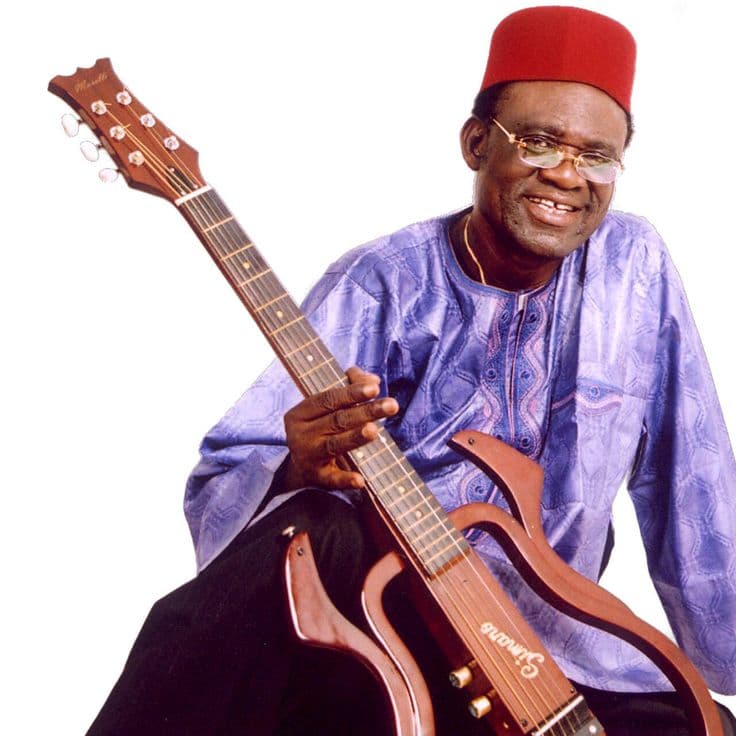
Lutumba Simaro
Poet of the guitar. OK Jazz's great co-leader alongside Franco, Simaro was a master lyricist and guitarist whose compositions explored love, philosophy, and Congolese life with extraordinary depth.
Global Reach
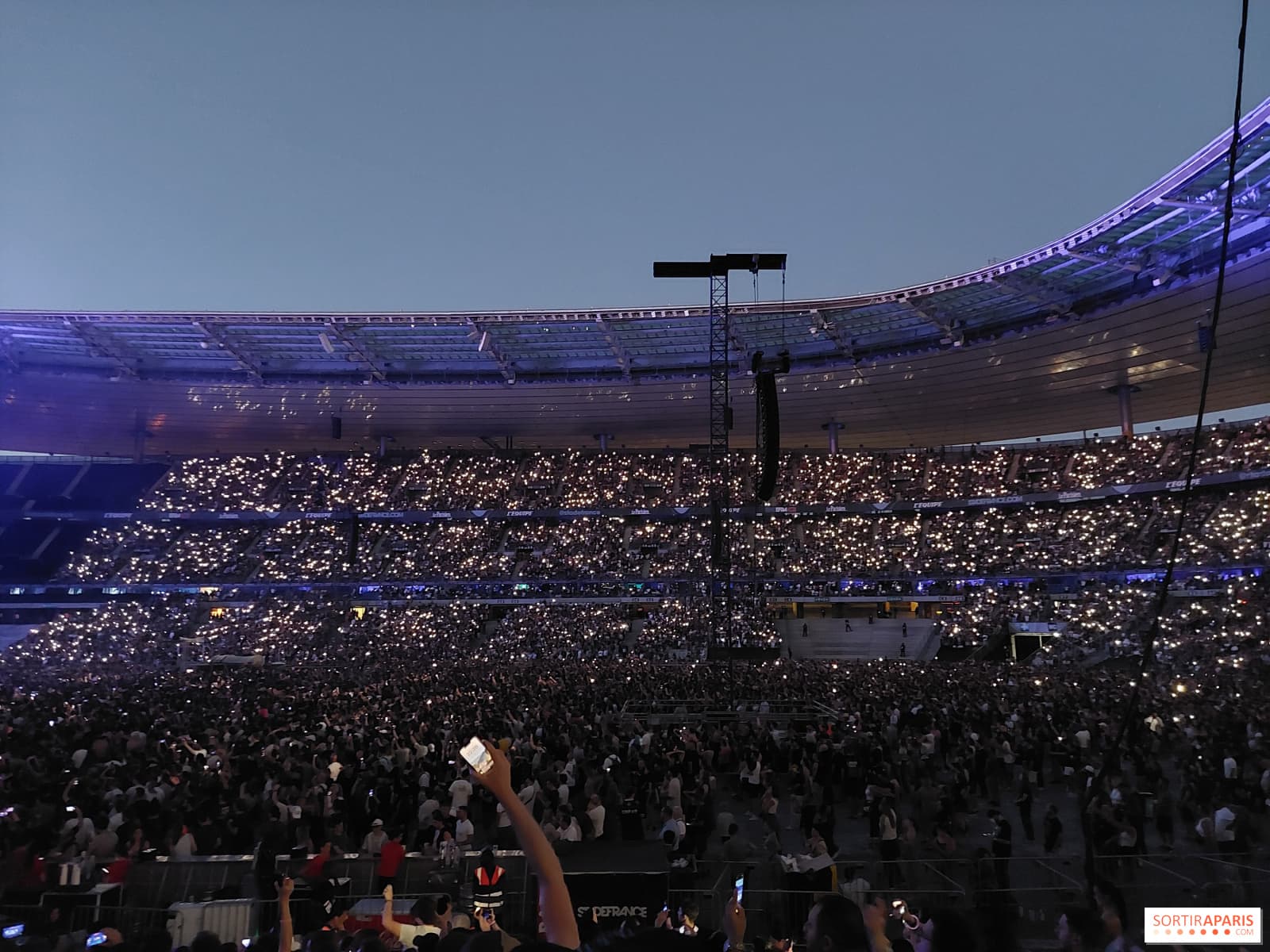
Fally Ipupa at the Stade de France
On May 2 and May 3, 2026, Fally Ipupa made history with two consecutive sold-out concerts at the Stade de France in Paris — becoming the first Central African artist to perform back-to-back nights at the iconic stadium. Over 80,000 fans packed the venue each night for what became a landmark moment in the global recognition of Congolese music.
SAPE as Art
Sartorial Art — The Sapeur Aesthetic
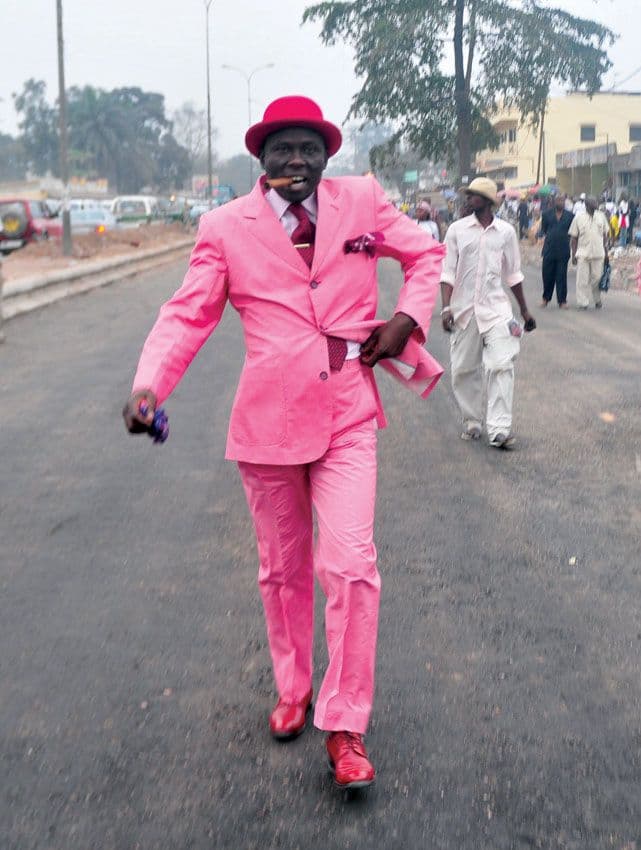
The SAPE (Société des Ambianceurs et des Personnes Élégantes) is not just fashion — it is performance art. Sapeurs treat their bodies as canvases, assembling outfits with the precision of a composer scoring a symphony. Papa Wemba was SAPE's greatest musical ambassador, making elegant dress inseparable from musical identity.