
Kinshasa
Africa's second-largest city — where creativity, resilience, and style collide.
From its origins as Léopoldville to its rise as a 17-million-strong metropolis, Kinshasa pulses with music, entrepreneurship, fashion, and an unmistakable energy found nowhere else on Earth.
17M+
Residents
#2
Largest city in Africa
1881
Founded by Stanley
1966
Renamed from Léopoldville
A Megacity Like No Other
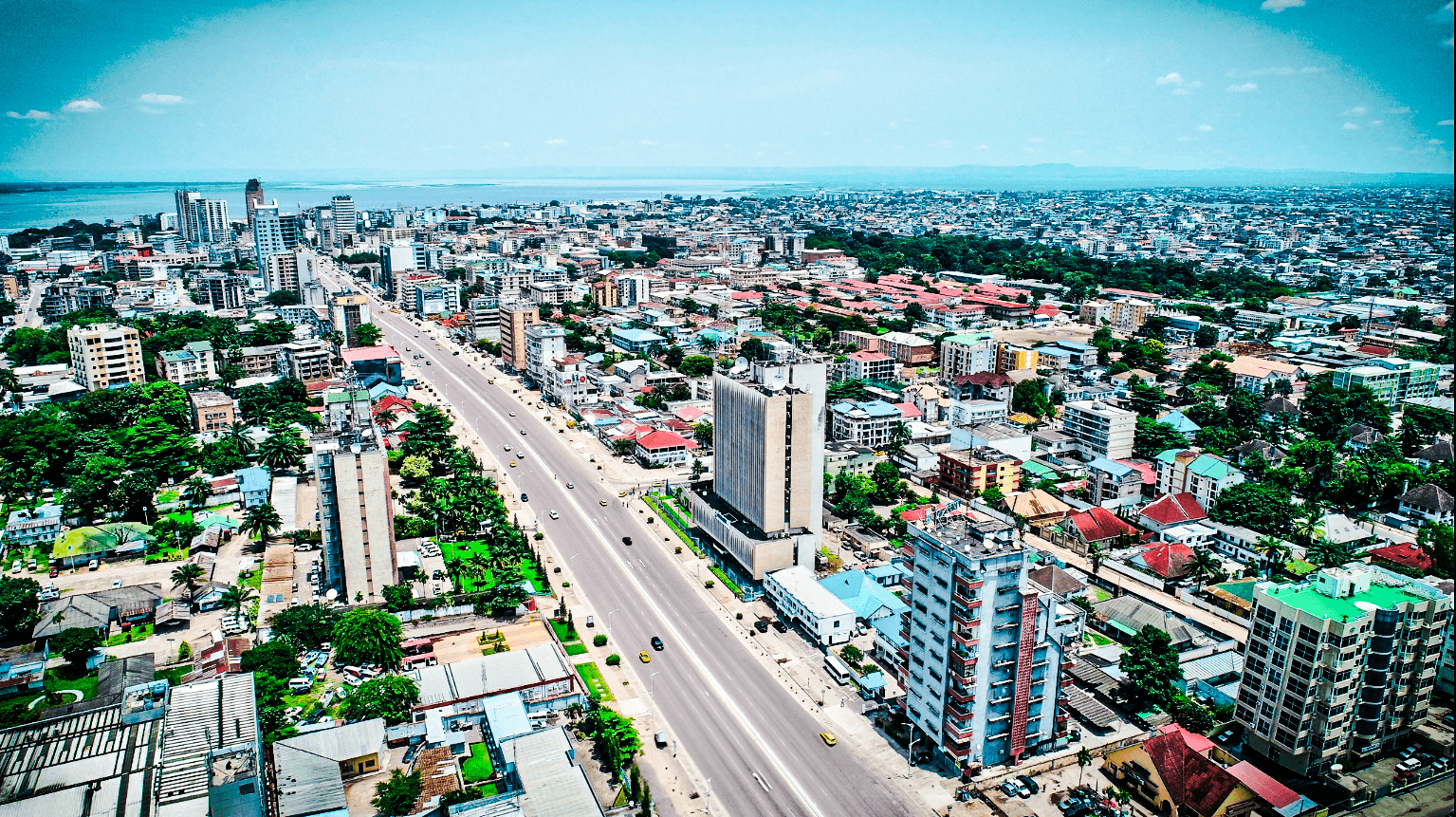
Kinshasa sits on the southern bank of the Congo River, directly facing Brazzaville — making them the two closest national capitals in the world. Founded in 1881 by Henry Morton Stanley as a trading post named Léopoldville, the city grew into the administrative capital of the Belgian Congo and was renamed Kinshasa in 1966 under Mobutu's authenticity campaign.
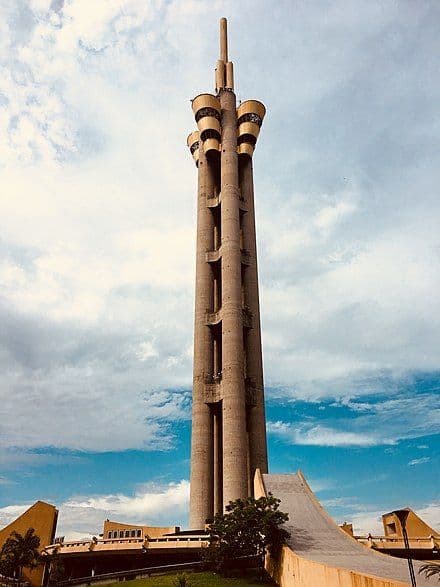
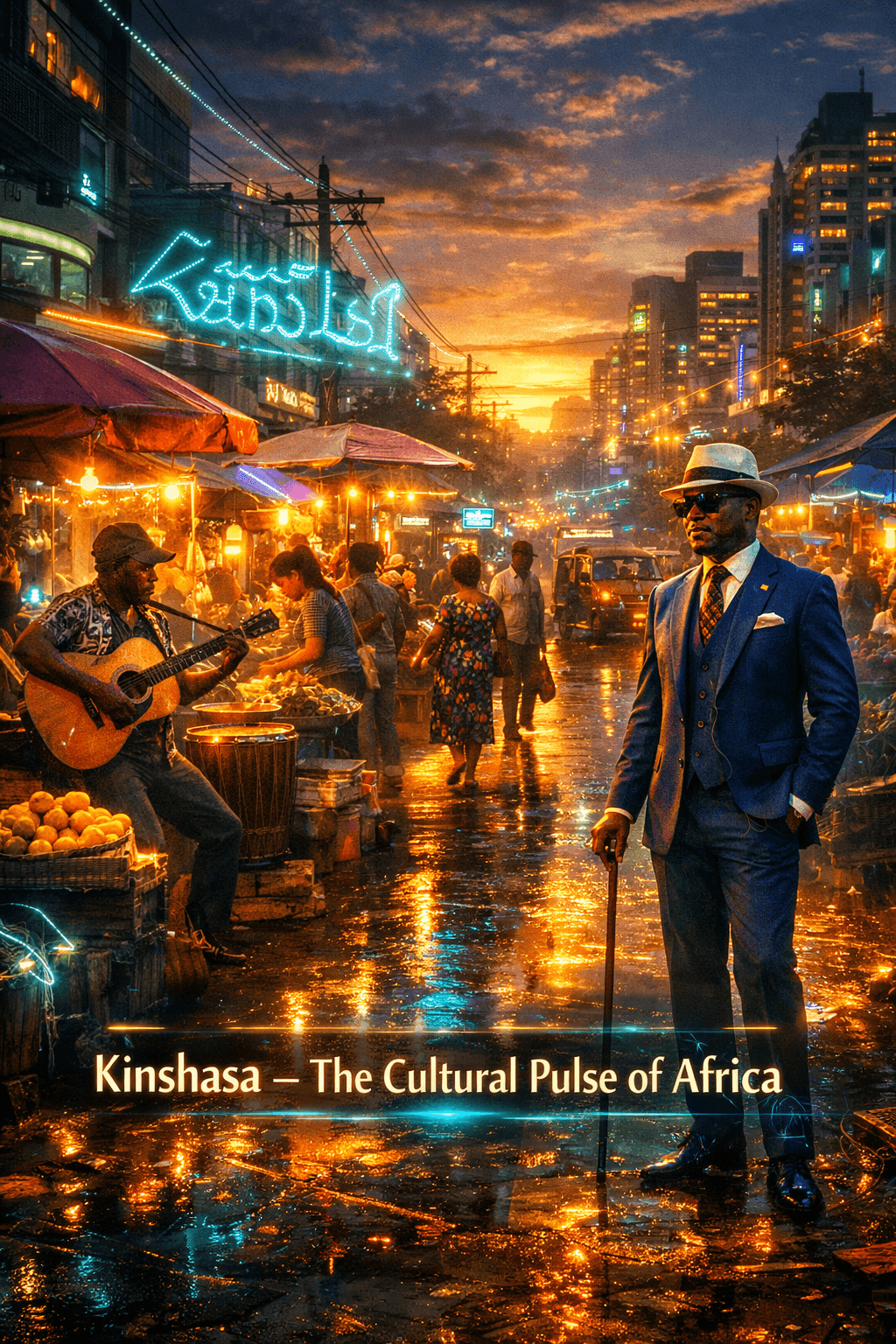
Today, Kinshasa is a city of contradictions and brilliance: chaotic traffic alongside dazzling street art; crumbling colonial buildings beside gleaming towers; street vendors beside tech startups. It is the cultural engine of Central Africa.
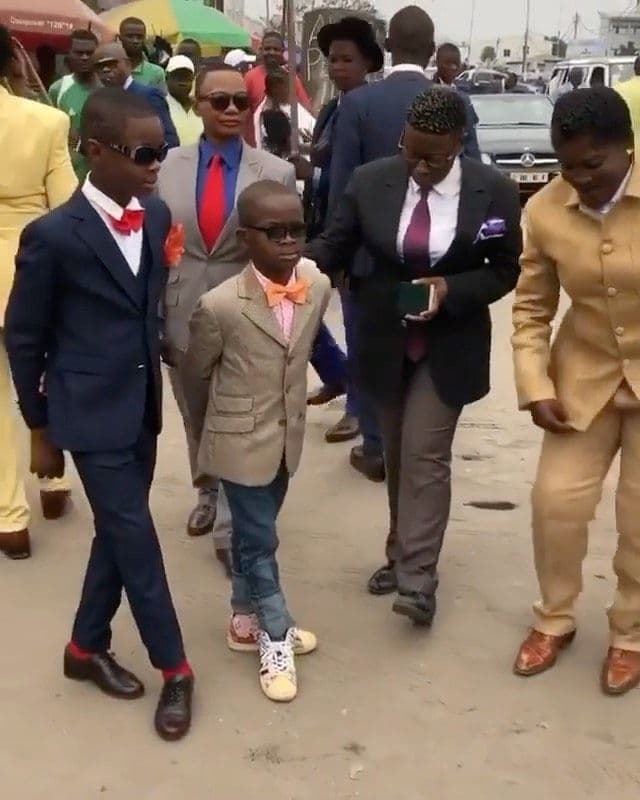
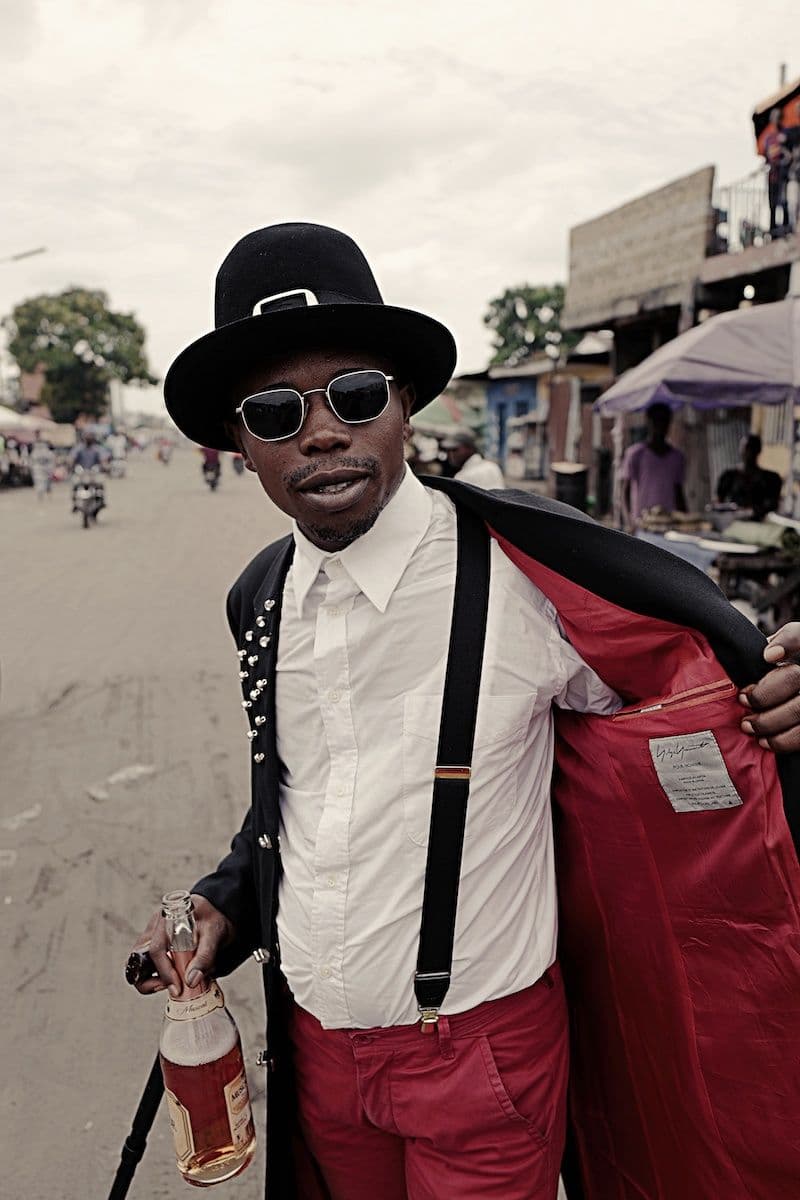
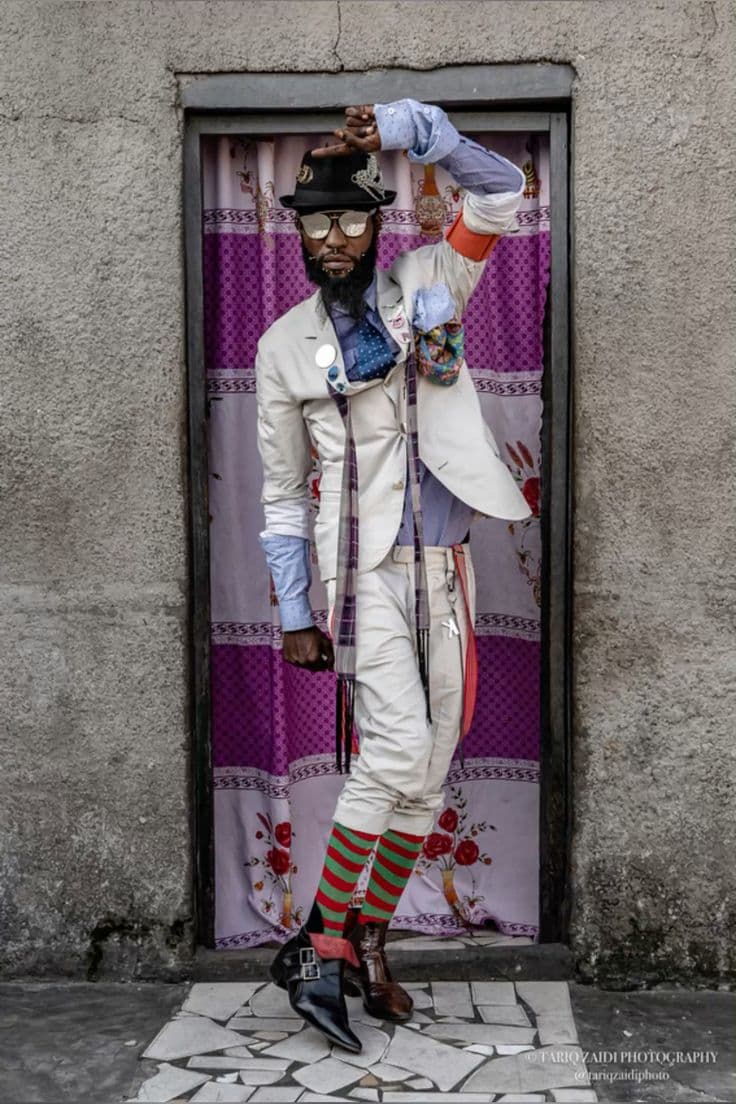
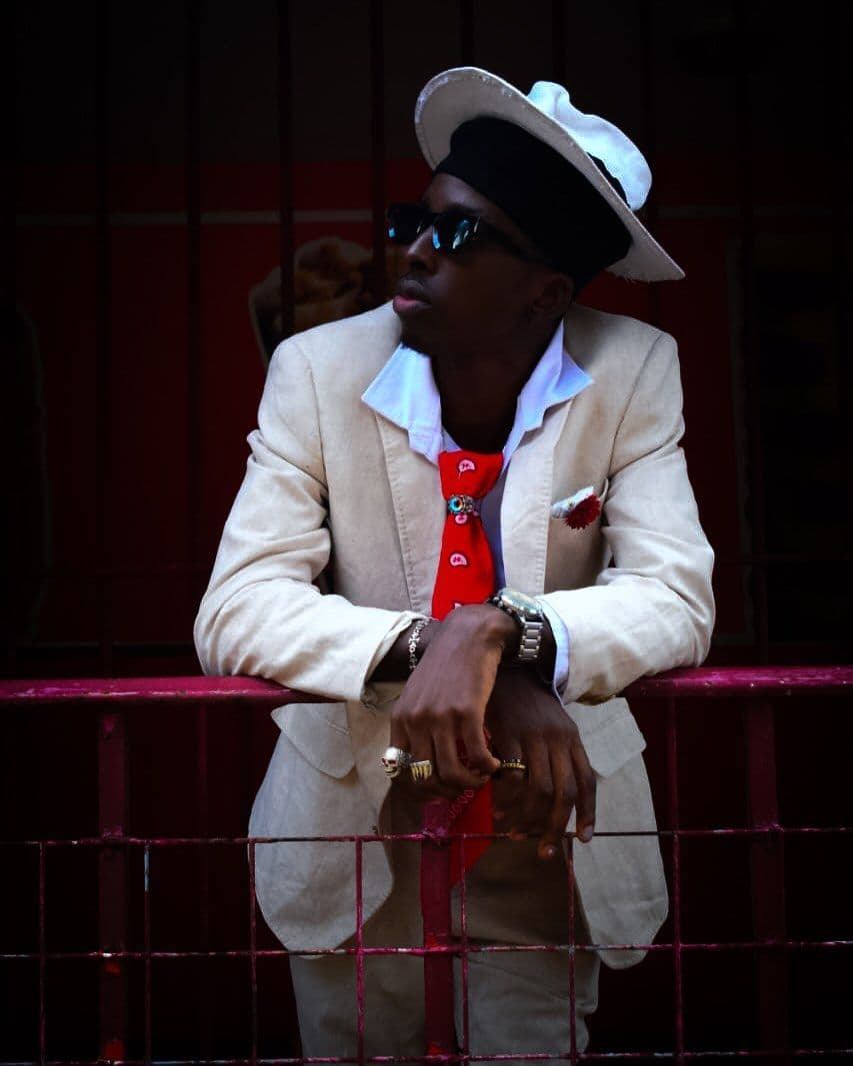
La Société des Ambianceurs et des Personnes Élégantes
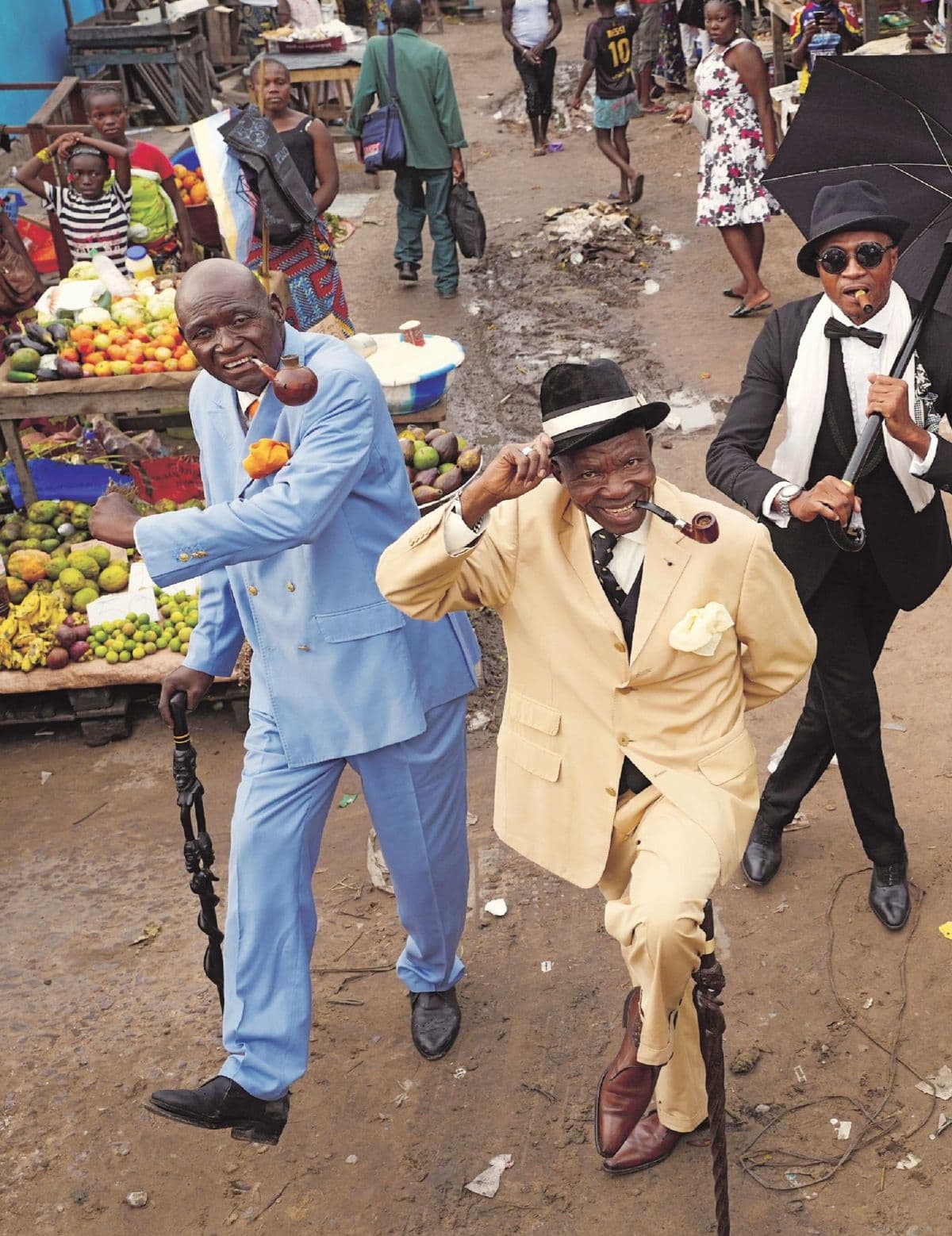
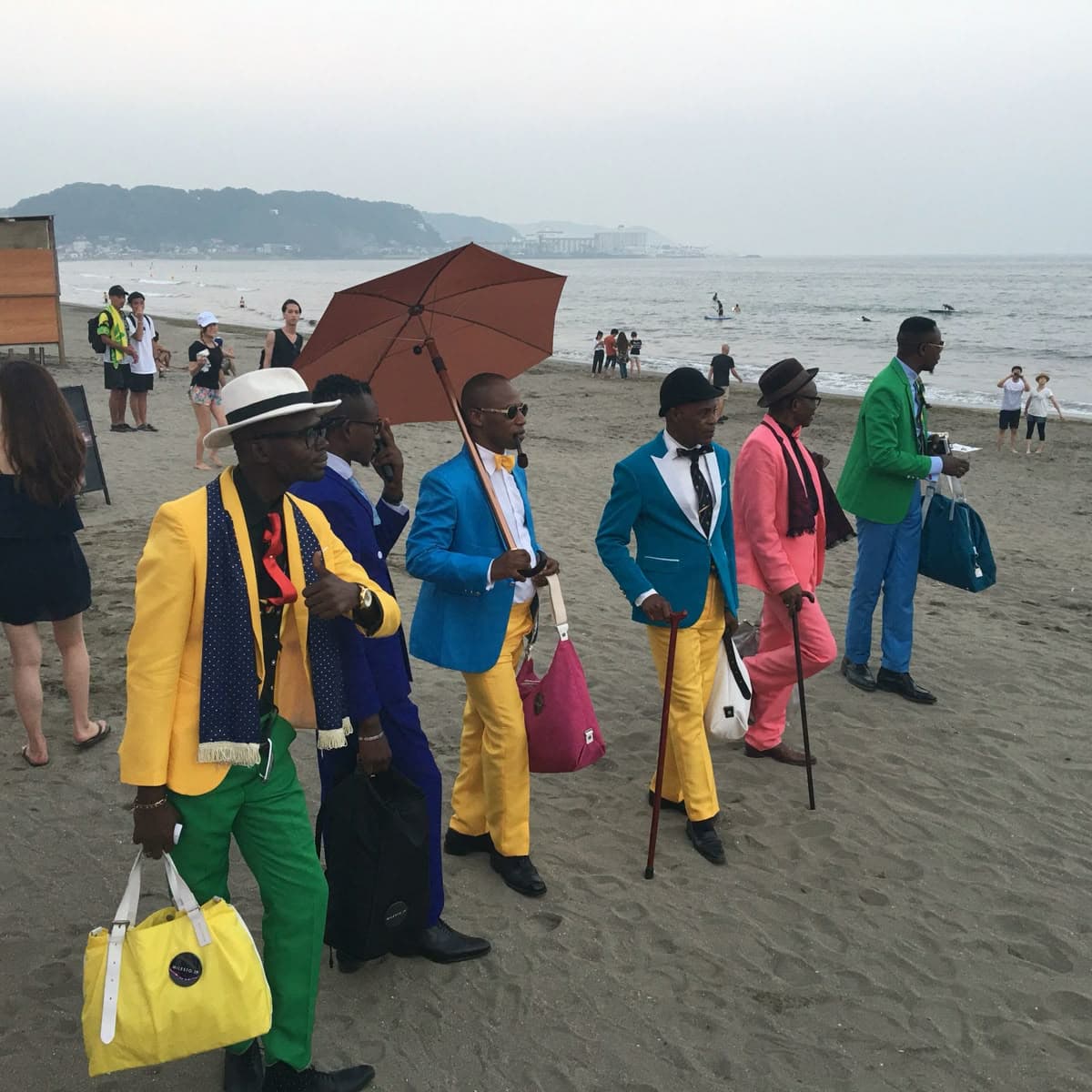
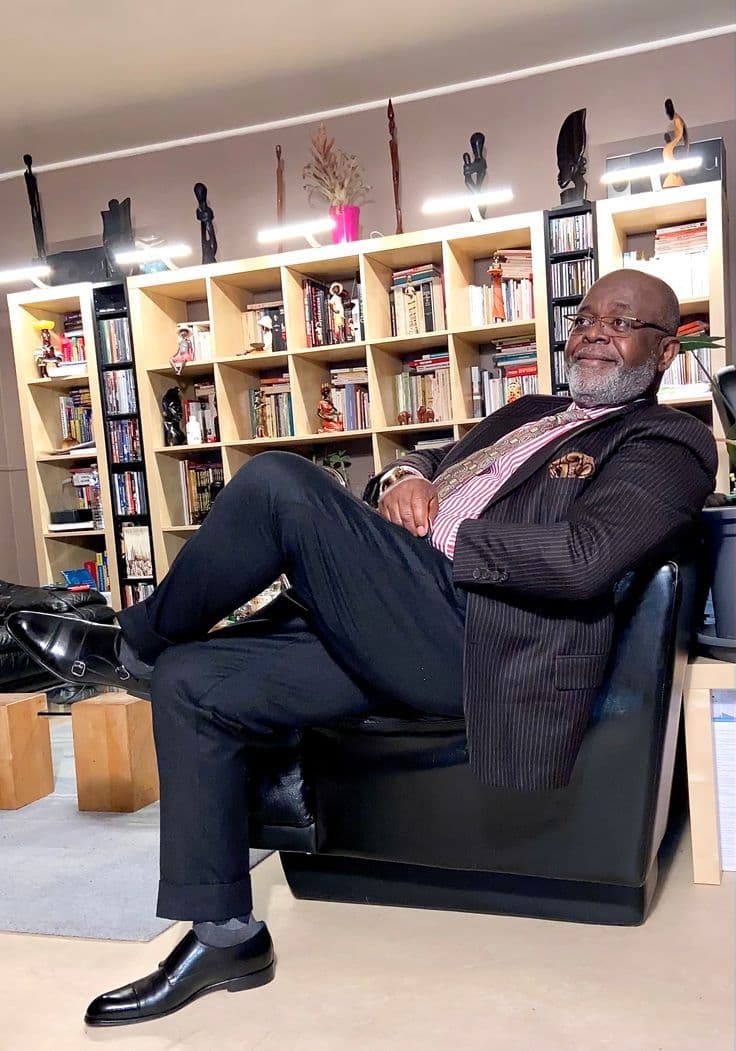
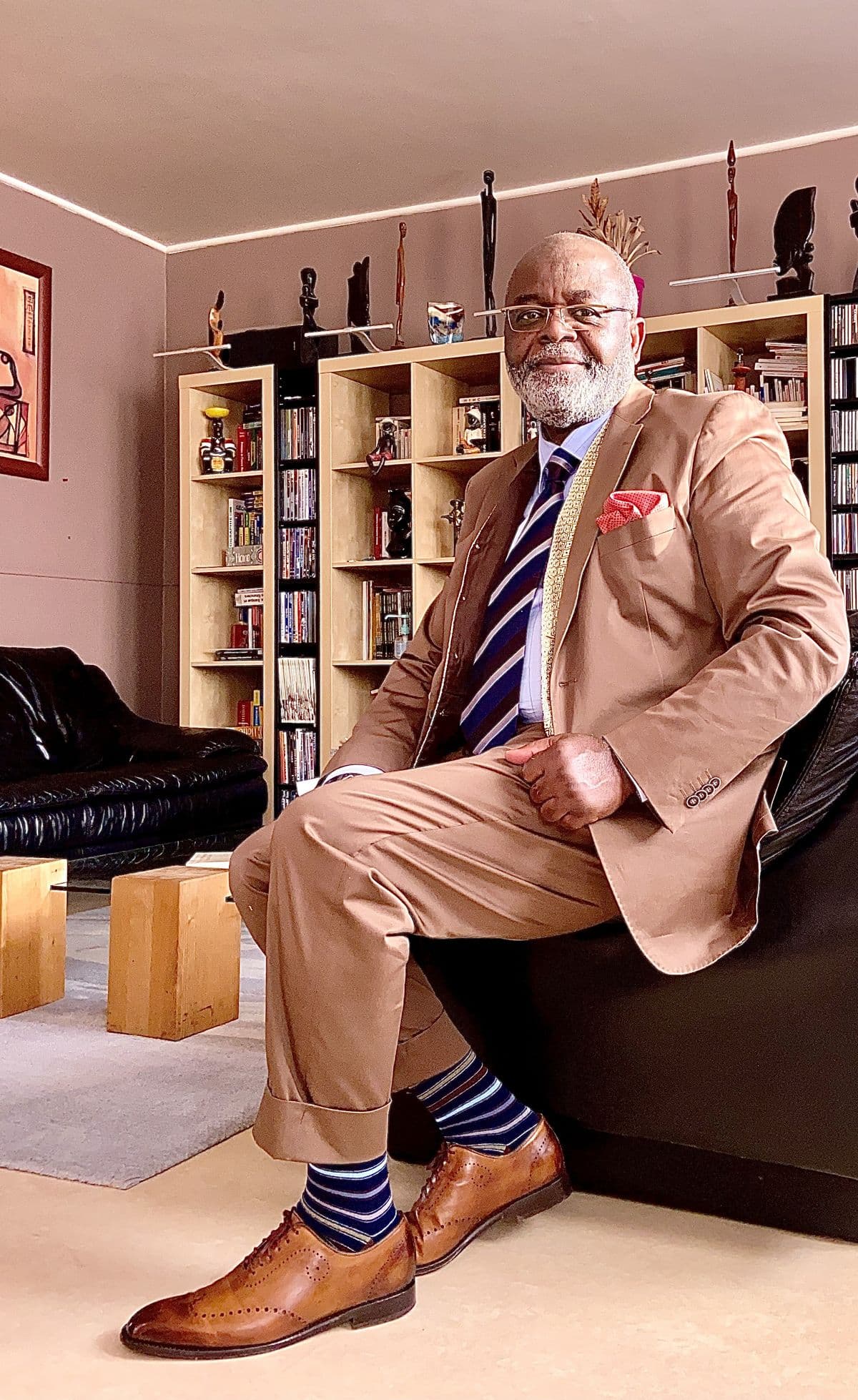
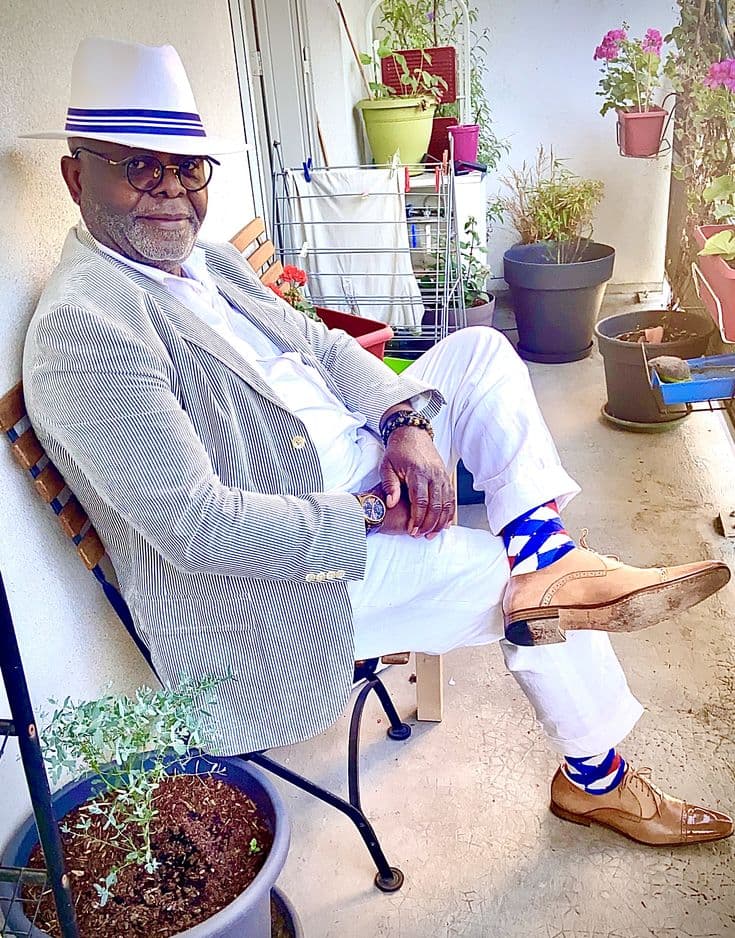
Born in Kinshasa and Brazzaville in the 1920s, the SAPE (Société des Ambianceurs et des Personnes Élégantes) is one of the world's most extraordinary subcultures. Sapeurs — practitioners of SAPE — transform poverty into performance art through exquisite tailoring, flamboyant color coordination, and unshakeable dignity.
A sapeur's outfit can cost months of savings. Yet the philosophy runs deeper than clothes: it is a statement of self-respect, resistance, and joy in the face of hardship. Kinshasa's sapeurs have been photographed for Vogue, documented by the BBC, and celebrated worldwide as cultural ambassadors of Congolese elegance.
The Grand Marché and Beyond
Kinshasa's informal economy — one of Africa's largest — is driven by markets, mobile money, and entrepreneurial ingenuity. The Grand Marché and Marché de la Liberté bustle with traders from across Central Africa. The Kin Exchange (Bourse de Kinshasa) represents the country's growing formal economy.