History of the Congo
A story of kingdoms, colonization, independence, and resilience.
From the powerful Kongo Kingdom to the brutality of Belgian rule, the fire of independence, and the long road to democracy — the history of the DRC is one of the most dramatic in human history.
Timeline
Key Moments in Congo's History
Pre-1885 · Ancient Kingdoms
The Kingdom of Kongo
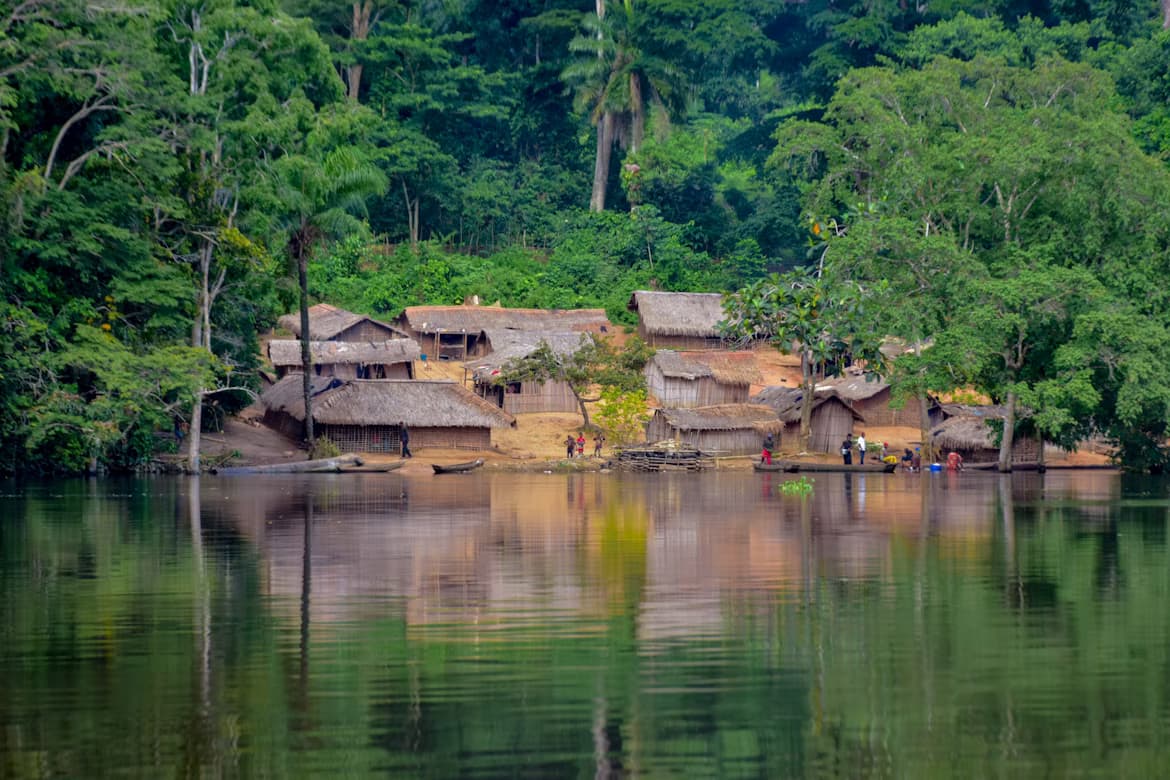
Long before colonization, the Kingdom of Kongo was one of Africa's most sophisticated states — spanning present-day northern Angola, western DRC, and the Republic of Congo. At its height (14th–17th centuries), it had a complex administration, diplomatic relations with Portugal, and a rich artistic tradition. Other major kingdoms in the region included the Luba and Lunda empires.
1885–1960 · Colonial Era
The Belgian Congo & the Congo Free State
In 1885, King Leopold II of Belgium claimed the Congo Free State as his personal property — inaugurating one of history's most brutal regimes. Forced labor, amputations, and mass killings killed an estimated 10 million people. International outrage eventually forced Belgium to annex the territory in 1908 as the Belgian Congo, though exploitation continued under a more structured administration until independence.
1960 · Independence
Independence & Patrice Lumumba
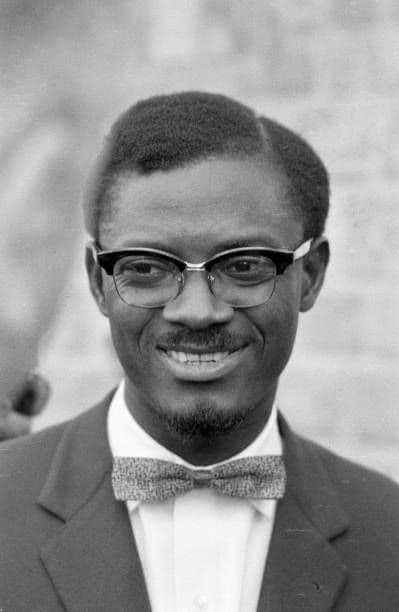
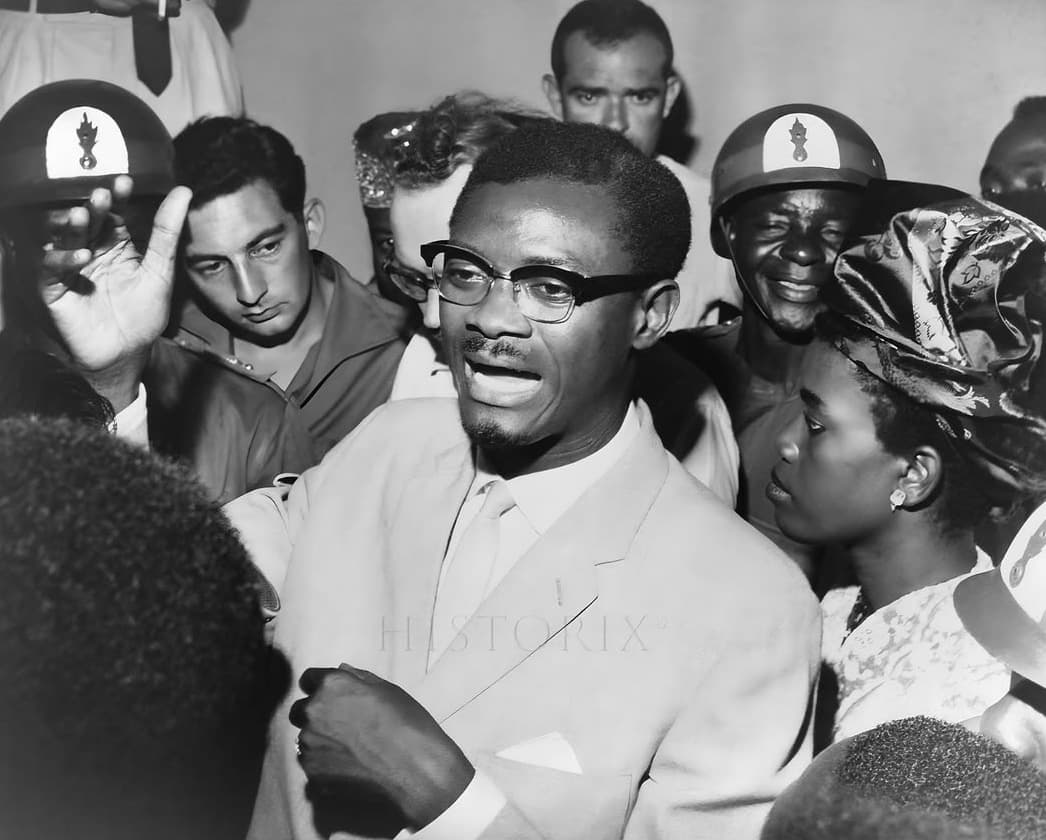
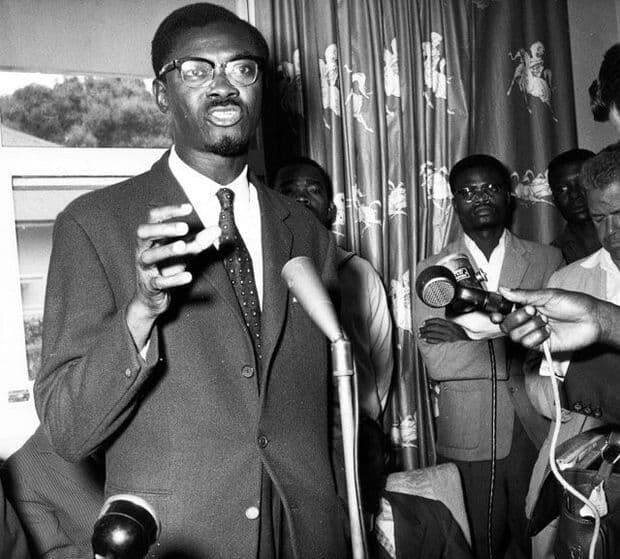
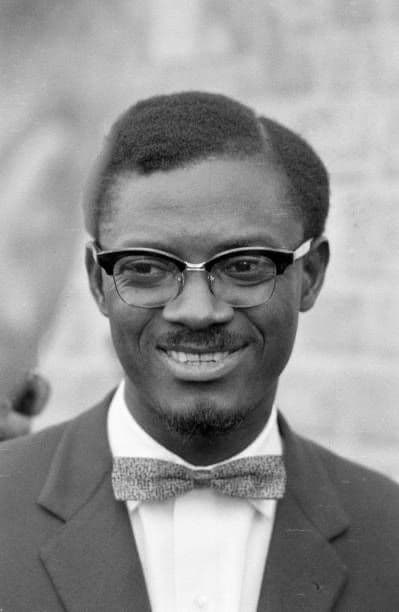
On June 30, 1960, the Congo achieved independence from Belgium. Patrice Émery Lumumba became the country's first Prime Minister — a visionary, pan-Africanist, and electrifying orator who dreamed of a united, sovereign Congo. Within months, a political crisis erupted. Lumumba was overthrown in a CIA-backed coup, arrested, and assassinated on January 17, 1961. He was 35 years old. His murder shocked the world and made him a martyr of African liberation.
1965–1997 · Mobutu Era
Mobutu Sese Seko & the Zaire Years
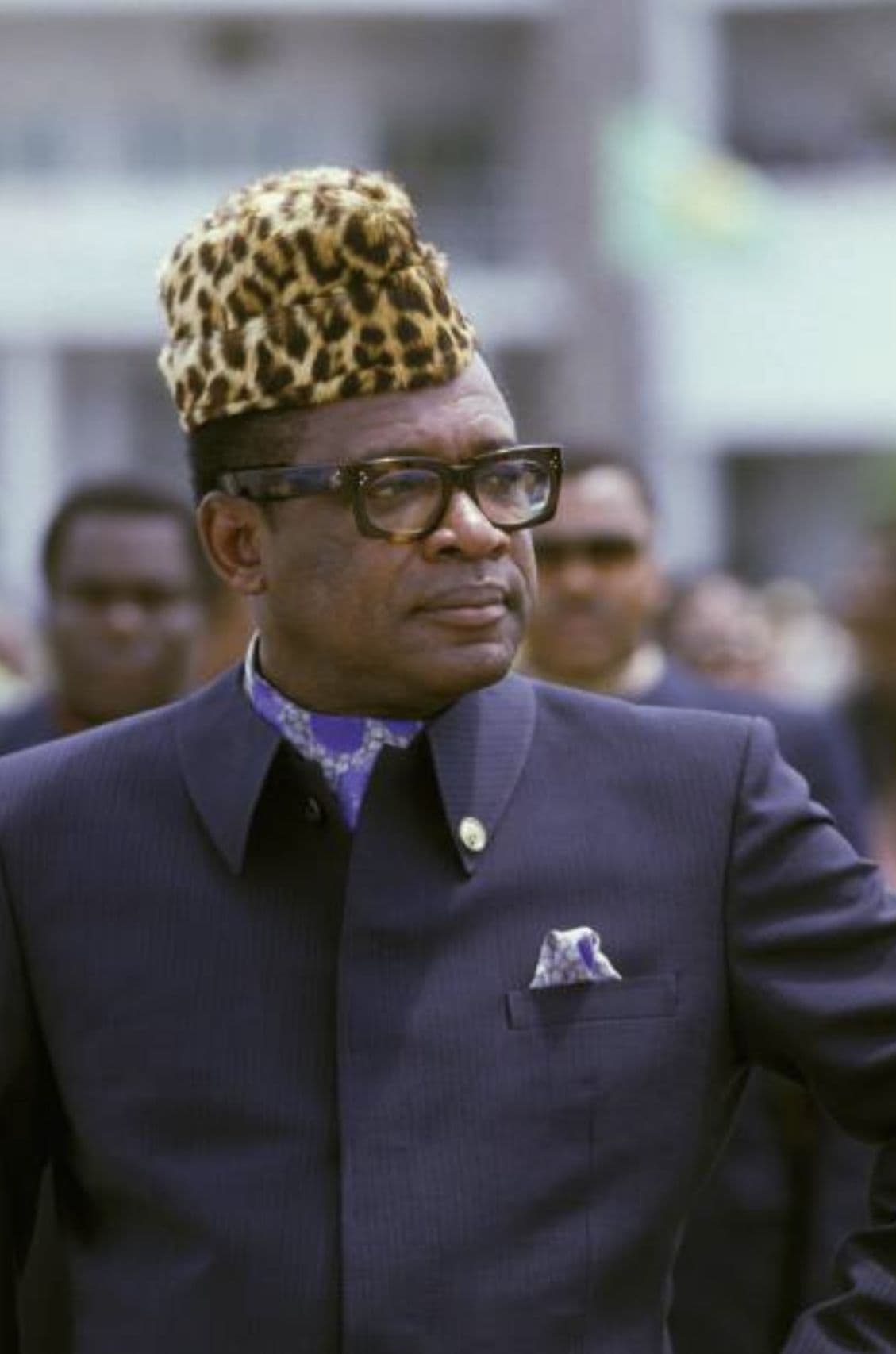
General Mobutu Sese Seko seized power in 1965 and ruled for 32 years — one of the longest dictatorships in African history. He renamed the country Zaïre, imposed Authenticité (a cultural nationalism campaign), and amassed one of the world's largest personal fortunes while the country's infrastructure collapsed. Despite his excesses, Mobutu was a skilled political survivor, backed by Western powers during the Cold War. He was ousted by Laurent-Désiré Kabila's forces in 1997.
1997–2001 · Kabila Years
Laurent-Désiré Kabila
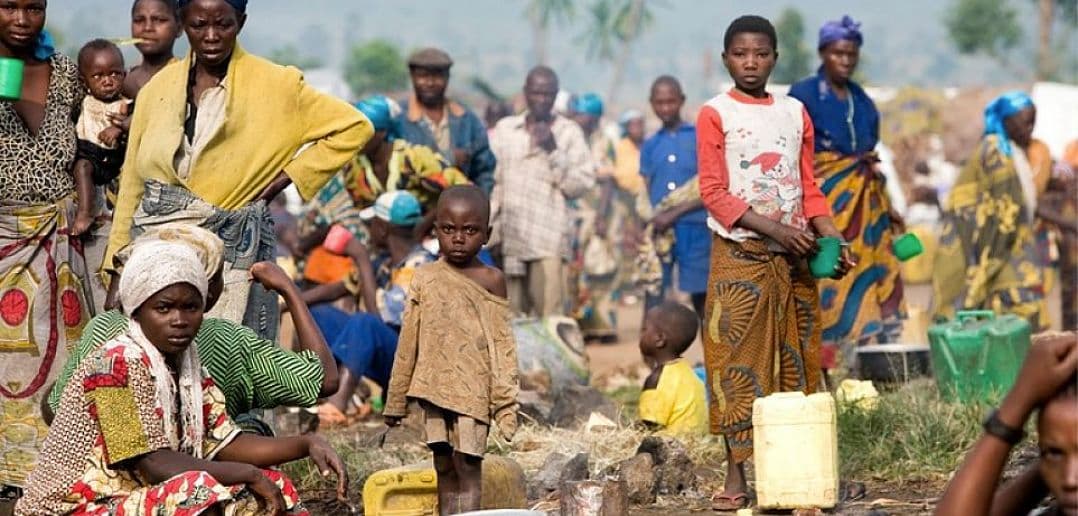
Laurent-Désiré Kabila renamed the country the Democratic Republic of Congo and initially raised hopes for reform. However, his rule was marked by the devastating Second Congo War (1998–2003) — often called 'Africa's World War' — involving nine countries and dozens of armed groups. Kabila was assassinated in January 2001 and was succeeded by his son Joseph Kabila.
2001–2019 · Joseph Kabila
Joseph Kabila & the Long Transition
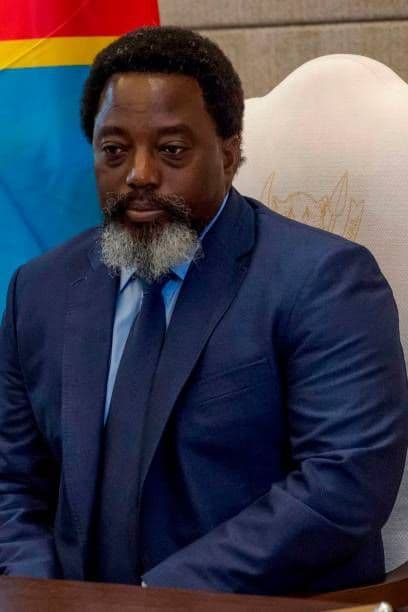
Joseph Kabila led the DRC through the end of the Second Congo War, the 2006 elections — the country's first democratic vote in 40 years — and a fragile peace process. His rule brought economic growth alongside persistent conflict in the east, corruption, and delayed elections. After constitutional pressure, he oversaw the first peaceful transfer of power in Congolese history in 2019.
2019–Present · New Era
Félix Tshisekedi & Democratic Hope
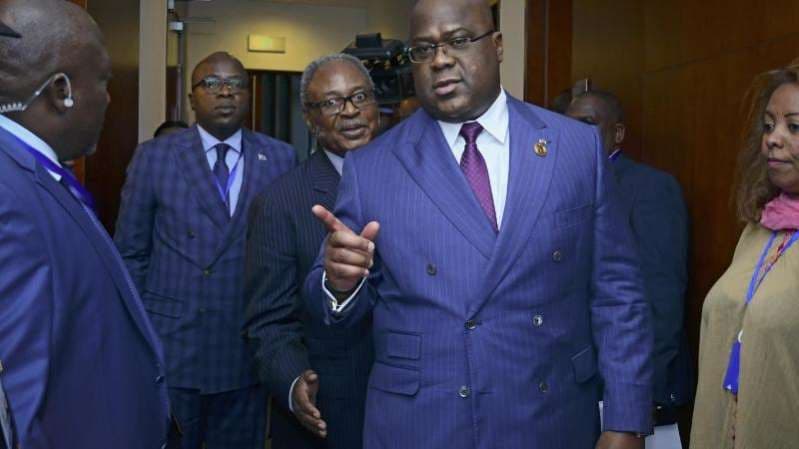
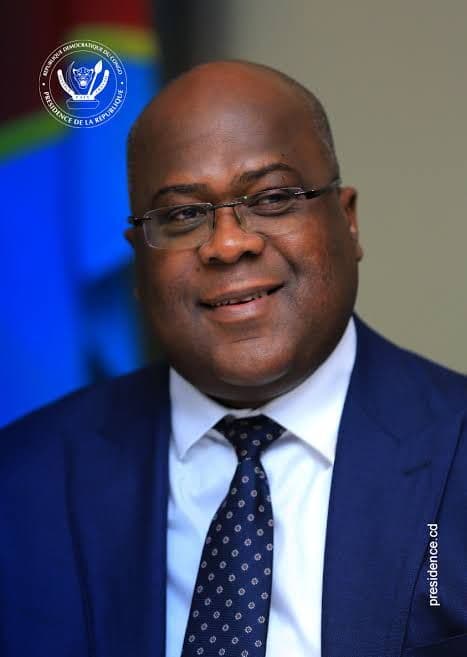
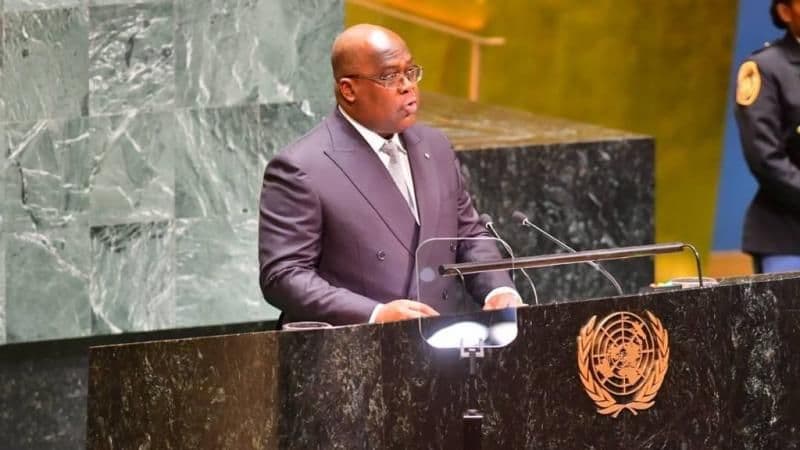
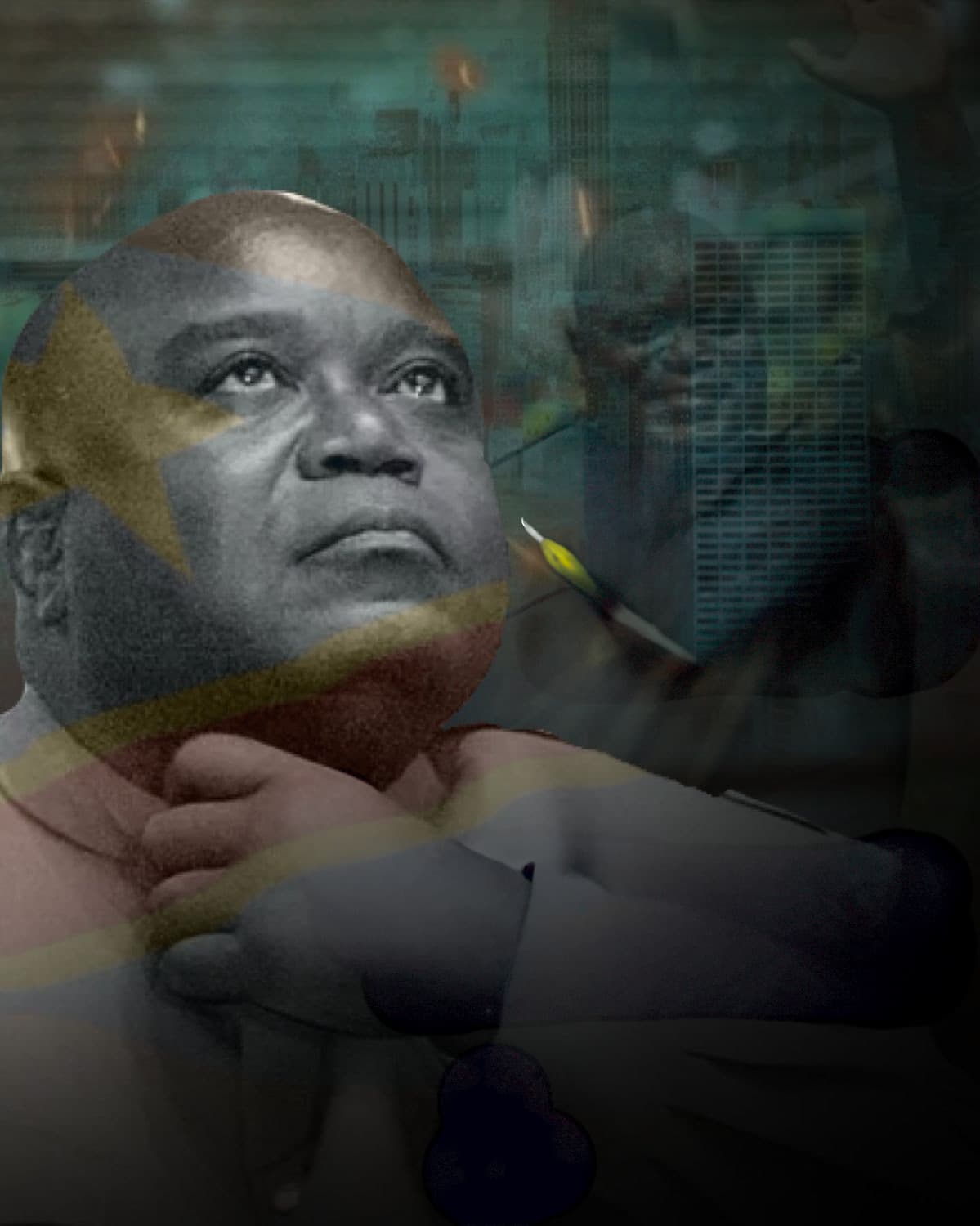
Félix Antoine Tshisekedi took office on January 24, 2019, becoming the DRC's first president from the opposition since independence. The son of legendary opposition leader Étienne Tshisekedi, he has pursued peace negotiations in the east, anti-corruption measures, free primary education, and stronger international partnerships. Re-elected in December 2023, he represents a new generation of Congolese leadership.