
History of Rumba
How a Congo River rhythm conquered the world and came home.
The story of Congolese Rumba spans over a century — from Central African villages to Cuban dance halls, back to Kinshasa's electric nightlife, and onto the world's greatest stages.
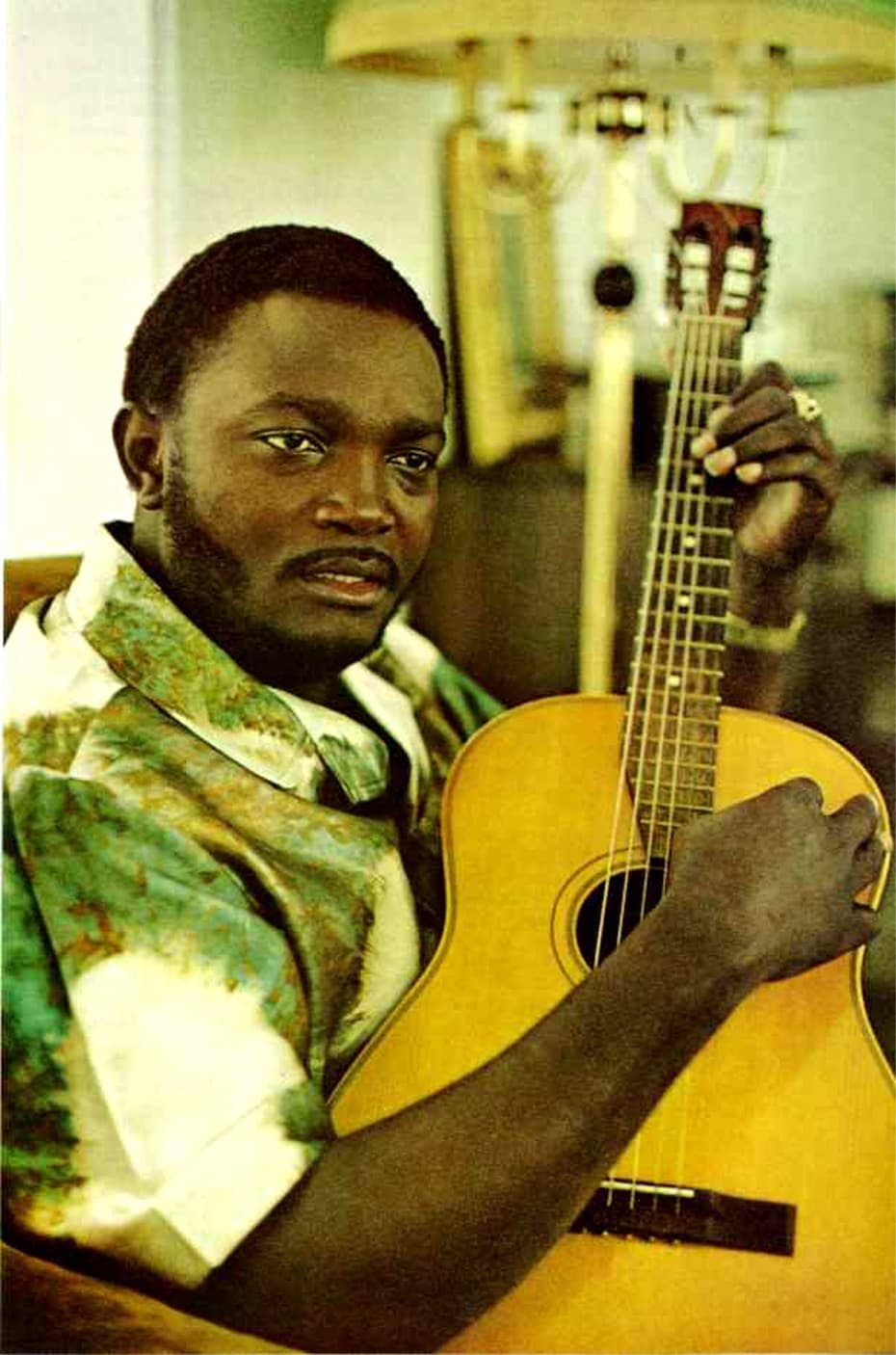
Timeline
The Journey of Rumba
Pre-1900s · Origins
The Roots: Central African Music
Long before Rumba had a name, the rhythms, call-and-response vocals, and percussive patterns of Central African music — particularly from the Kongo people — carried the seeds of what would become one of the world's most beloved genres. These rhythms traveled across the Atlantic with enslaved Kongolese people, taking root in Cuba and the Caribbean.
1920s–1940s · Cuba Connection
The Diaspora Loop: Havana & the Return
Cuban son and rumba, heavily shaped by Kongolese musical DNA, were broadcast back to the Congo via radio and gramophone in the 1920s and 30s. Congolese musicians in Léopoldville (Kinshasa) and Brazzaville heard this music as strangely familiar. They absorbed Cuban rhythms, fused them with local Congolese patterns, and began creating a new sound.
1950s · Golden Age Begins
Grand Kallé & the Birth of Congolese Rumba
Joseph Kabasele, known as Grand Kallé, and his band African Jazz pioneered Congolese Rumba in the 1950s. His landmark 1960 hit 'Indépendance Cha Cha' — recorded the night Congo achieved independence — became the anthem of pan-African liberation. Grand Kallé set the template: orchestral arrangements, Lingala lyrics, and an irresistible groove.
Grand Kallé — Indépendance Cha Cha (1960)
1960s–1970s · The Golden Age
Franco, TPOK Jazz & the Long Rumba
Franco Luambo Makiadi and his TPOK Jazz defined the Golden Age of Congolese Rumba. With a career spanning over 30 years, Franco was 'the Sorcerer of the Guitar' — his slow, hypnotic sebene sections could stretch a single song to 20 minutes. Tabu Ley Rochereau and his African Fiesta brought a more romantic, pop-influenced sound that rivaled Franco's dominance.
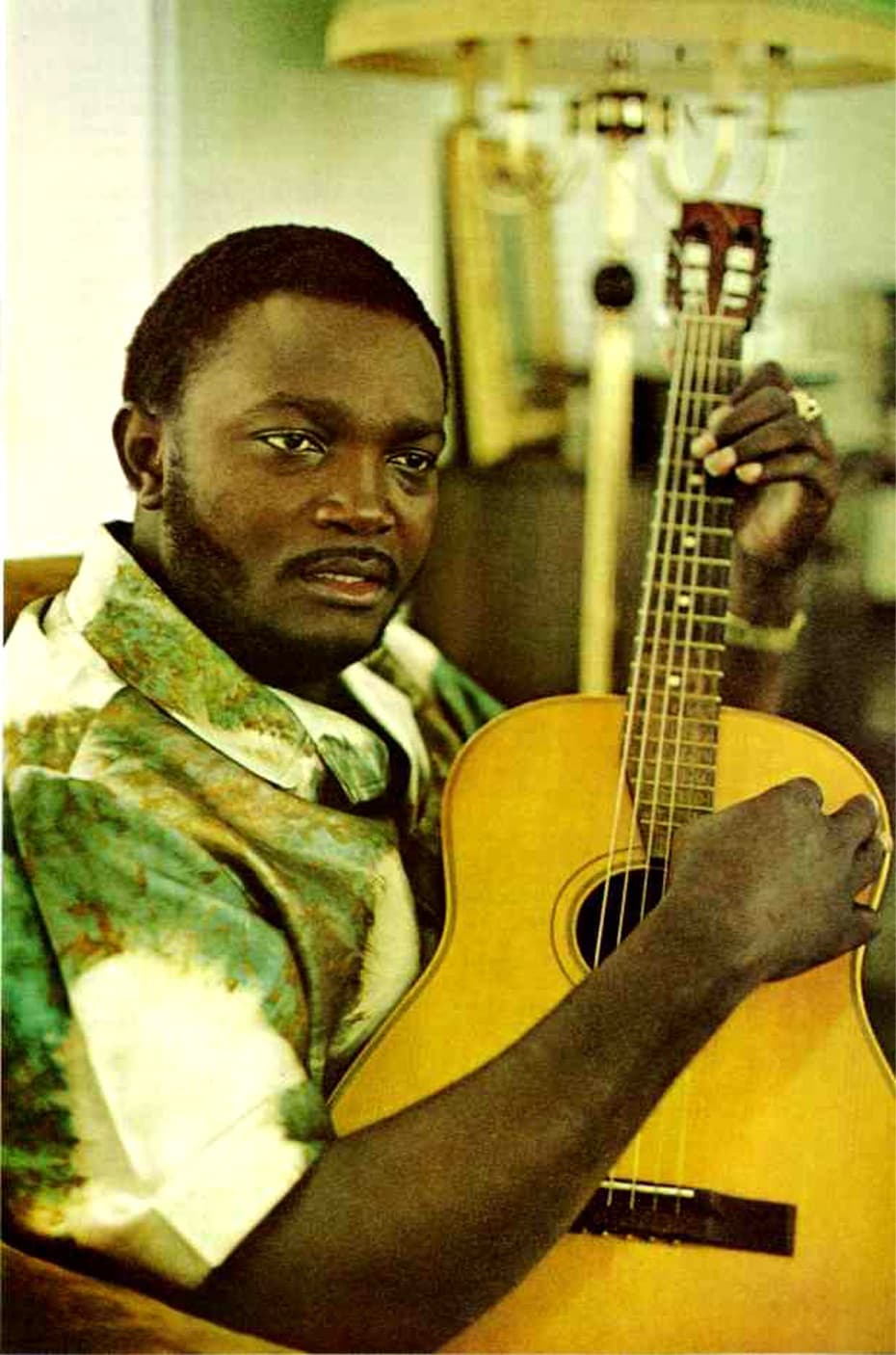
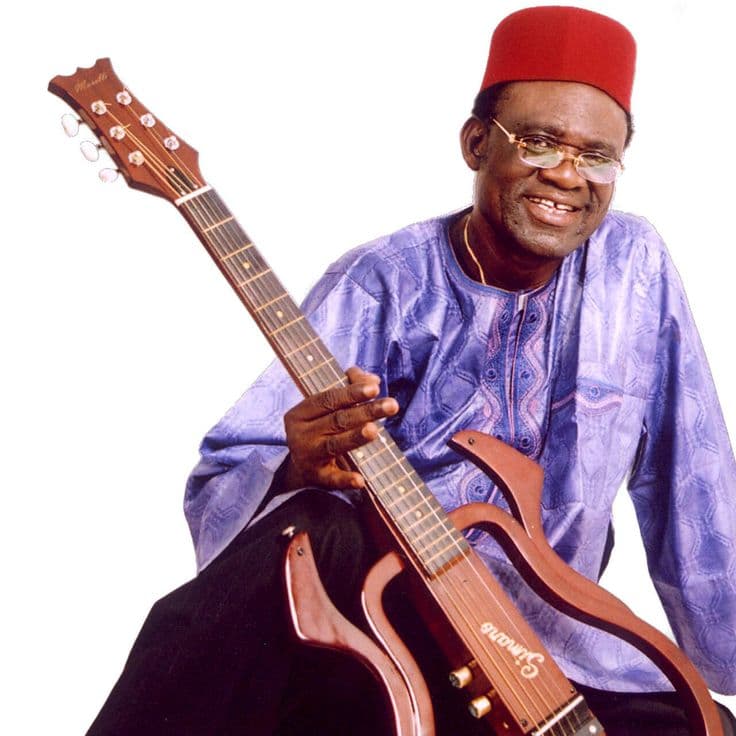
Franco & TPOK Jazz — Mario
1970s–1980s · Soukous
Zaiko, Papa Wemba & the Soukous Revolution
Zaiko Langa Langa, founded in 1969, electrified a new generation with faster tempos, youth energy, and raw attitude. Their offshoot groups — including Papa Wemba's Viva La Musica — pushed Rumba into a faster, danceable genre called Soukous. Papa Wemba became a global icon, fusing Rumba with fashion (SAPE) and international pop sensibilities.
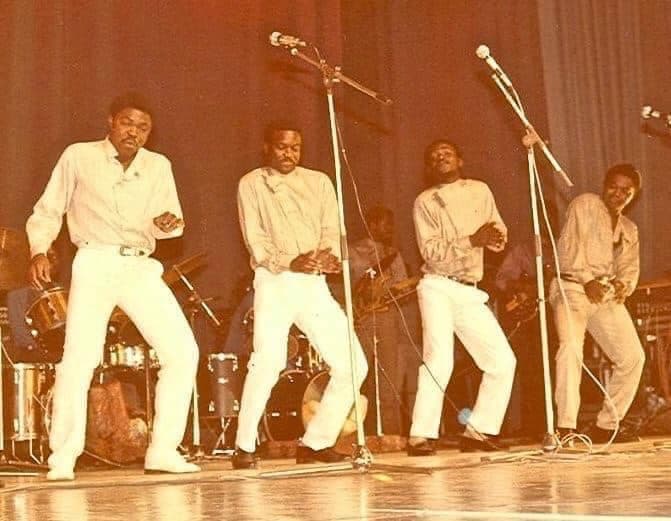
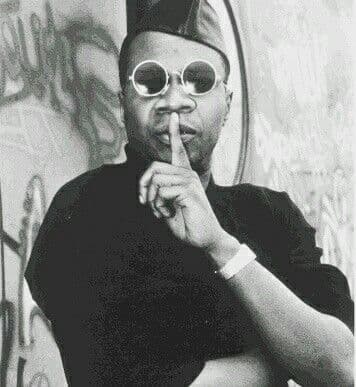
Papa Wemba — Yolele
1990s · Ndombolo
Koffi, Wenge Musica & Stadium Rumba
In the 1990s, Congolese music dominated African charts with Ndombolo — a high-energy dance style accompanying a new generation: Koffi Olomide, Werrason, JB Mpiana, and Wenge Musica. These acts filled stadiums across Africa and Europe, cementing Congolese music as the dominant pop genre on the continent.
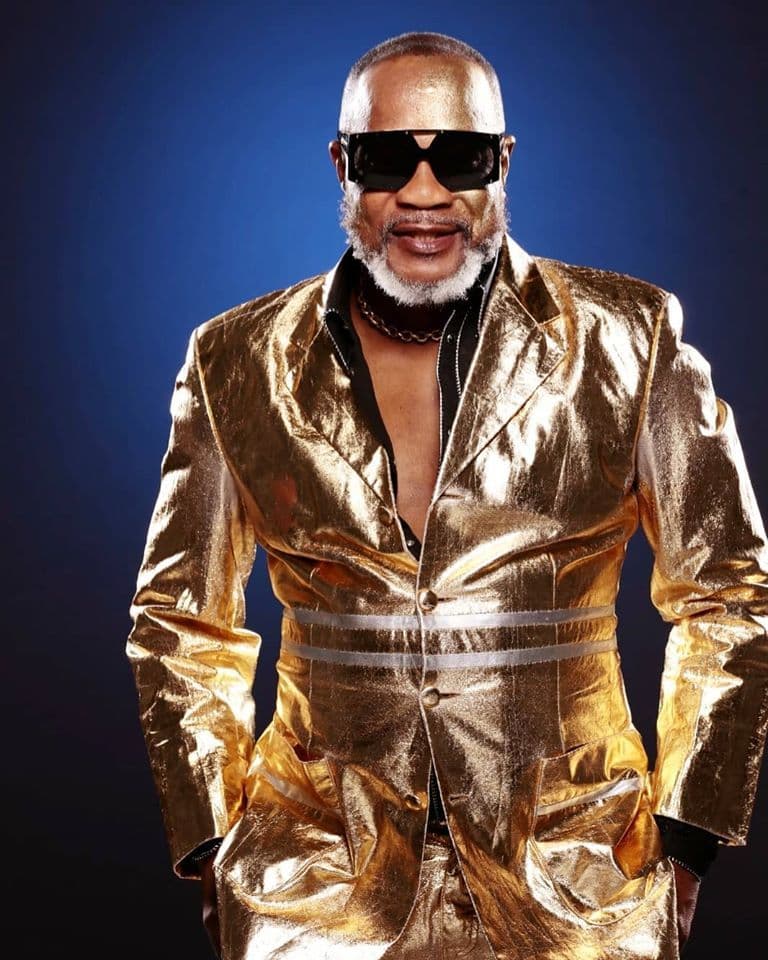
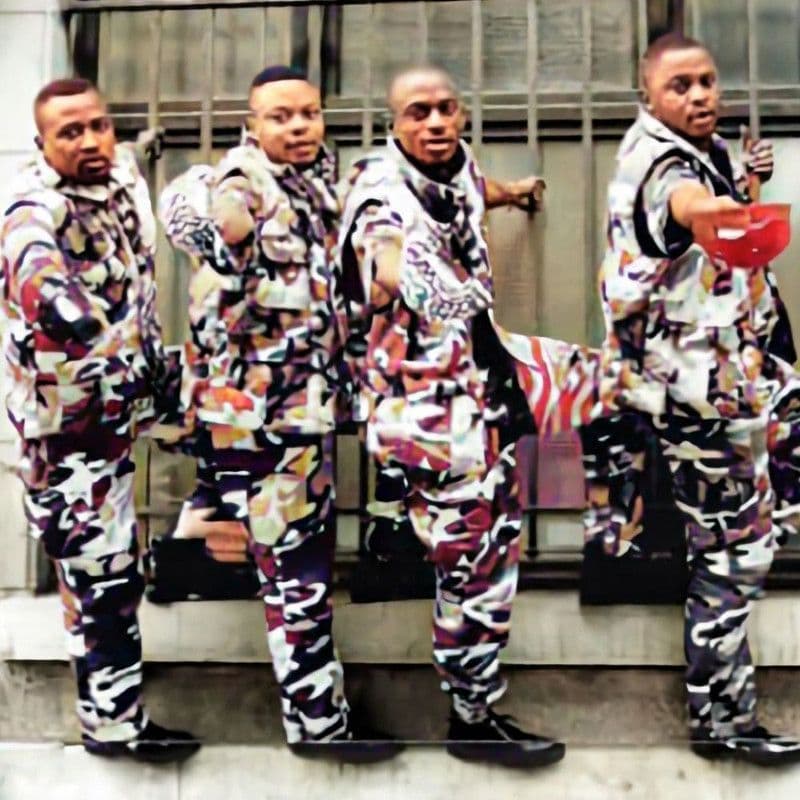
Wenge Musica / JB Mpiana — Kin é bougé
2000s–2020s · New Wave
Fally, Innoss'B & the Digital Era
Fally Ipupa — a former Koffi Olomide performer turned solo phenomenon — blended classic Rumba elegance with global pop production. He made history with back-to-back sold-out concerts at the Stade de France in Paris (May 2–3, 2026). Innoss'B, Gaz Mawete, and others extended Congolese Rumba's global reach through YouTube and streaming platforms.
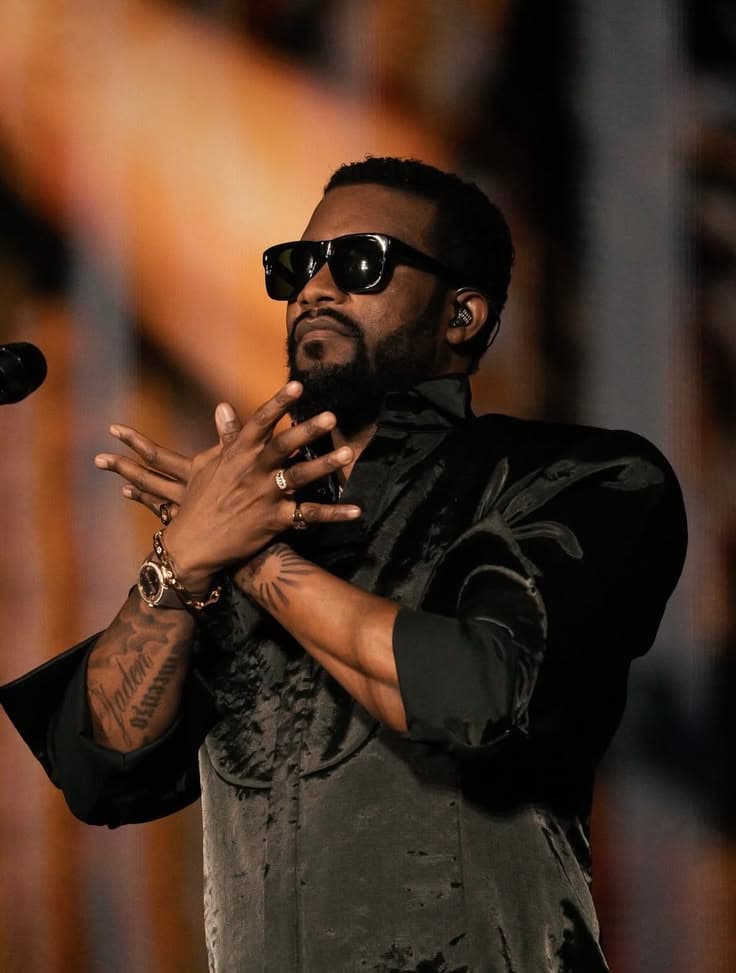
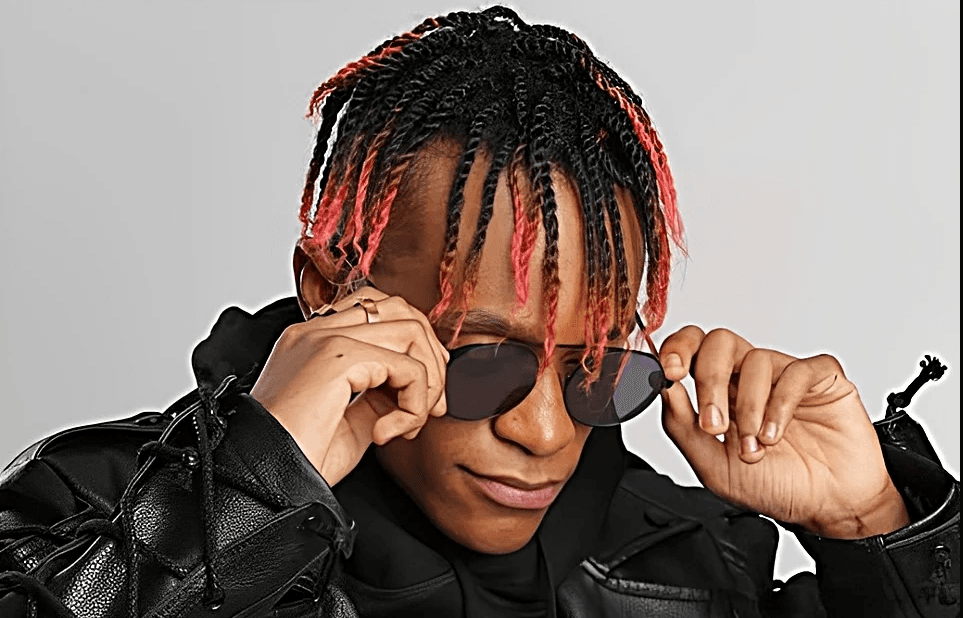
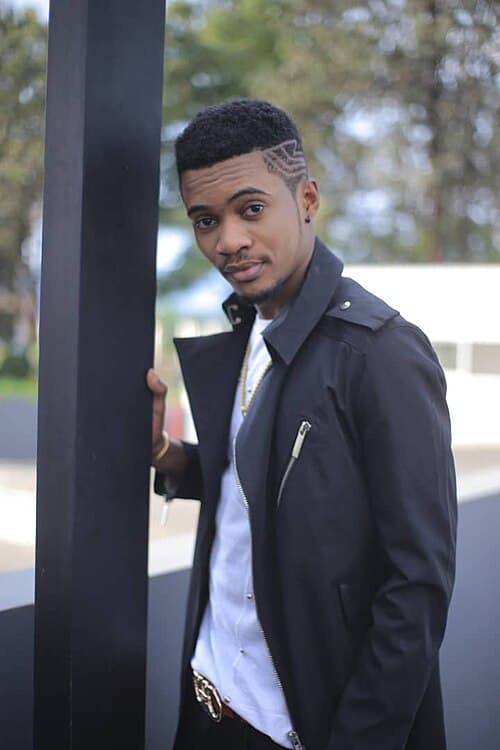
Innoss'B — Yope
2021 · UNESCO Heritage
UNESCO Inscription: Global Recognition
On December 14, 2021, UNESCO inscribed Congolese Rumba on its Representative List of the Intangible Cultural Heritage of Humanity — acknowledging it as heritage shared by the DRC and Republic of Congo. This was the culmination of decades of global influence, confirming what Congolese people always knew: Rumba is not just music. It is a way of life.
UNESCO — December 14, 2021
Representative List of the Intangible Cultural Heritage of Humanity