
Culture of Rumba
Music, fashion, dance — Rumba as a complete way of life.
Congolese Rumba is not just a musical genre — it is a total cultural universe. It shapes how people dress, move, speak, celebrate, grieve, and connect. To understand Rumba is to understand the Congolese soul.
What is Rumba?
More Than Music
Congolese Rumba — also called Rumba Lingala or Rumba Congolaise — is a genre of music and dance that emerged in the Belgian Congo in the late 1940s and 1950s. It grew from the fusion of Cuban son and rumba rhythms (themselves shaped by Congolese musical heritage) with local Congolese traditions.
At its heart, Rumba features call-and-response vocals, elaborate guitar interplay, the driving sebene rhythm section, and a philosophy of communal joy. Songs explore love, philosophy, social commentary, and the rhythms of everyday life — always with elegance.
Grand Kallé — Indépendance Cha Cha (1960) — the song that launched Rumba onto the world stage
UNESCO Heritage
Inscribed for Humanity
On December 14, 2021, UNESCO inscribed Congolese Rumba on its Representative List of the Intangible Cultural Heritage of Humanity. The inscription recognizes Rumba as heritage shared between the Democratic Republic of Congo and the Republic of Congo.
The UNESCO recognition affirms what Congolese communities have always known — Rumba is a living practice that binds generations, communities, and nations. It is transmitted through performance, informal learning, and the daily cultural life of Congolese people worldwide.
UNESCO — December 14, 2021
Intangible Cultural Heritage of Humanity
The Dance
Sebene, Ndombolo & the Art of Movement
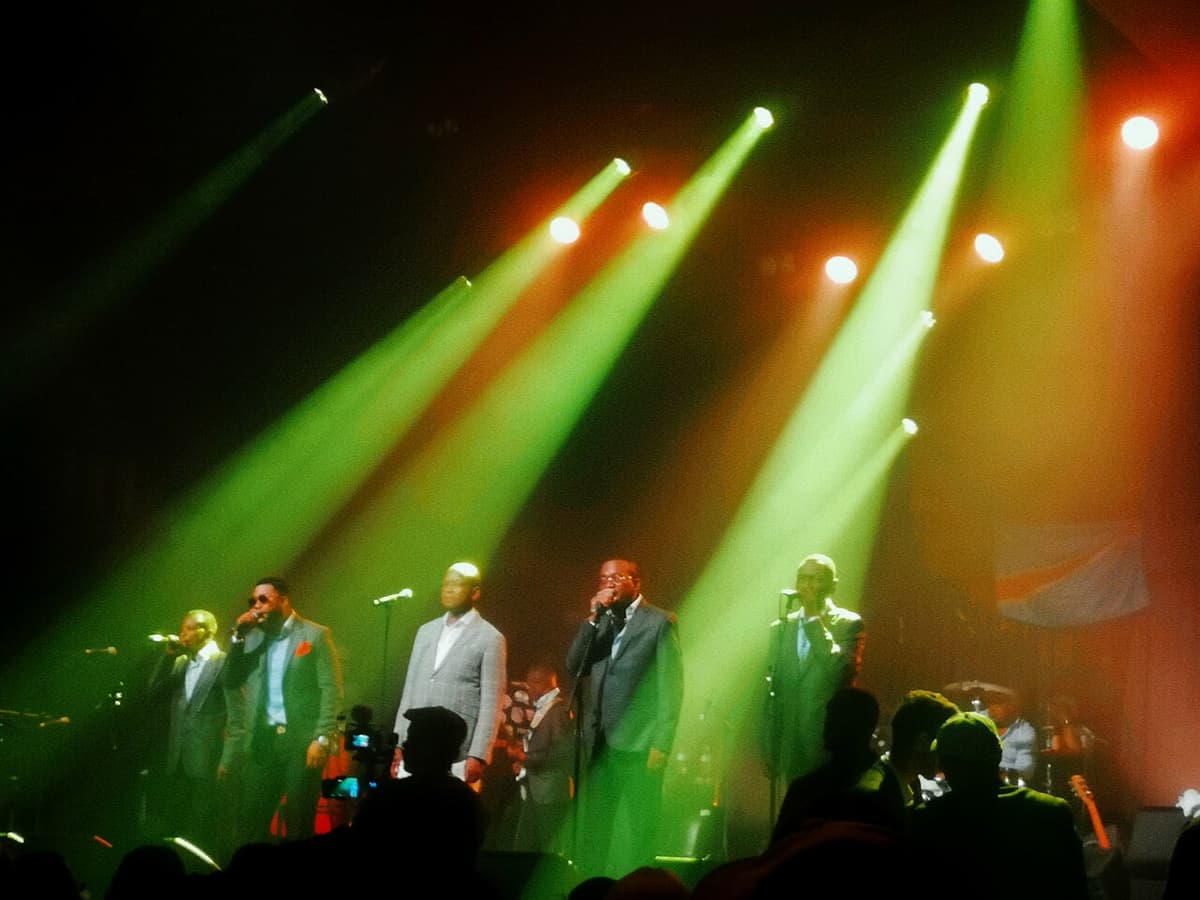
Congolese dance is inseparable from Rumba. The sebene — the extended instrumental section where the guitar takes flight — is the moment dancers truly express themselves. Ndombolo, the explosive dance style of the 1990s, became a pan-African phenomenon. Each era of Rumba has brought its own distinctive movement vocabulary, from the slow elegant steps of the Golden Age to the electric improvisations of today.
Zaiko Langa Langa — the dance energy that defined a generation
The Sound
Instruments of Rumba
Electric Guitar
The soul of Rumba. Lead, rhythm, and bass guitar players weave intricate countermelodies that define the sound. The lead guitar's sebene runs are the genre's most iconic element.
Percussion
From traditional drums to congas and modern drum kits, percussion drives the groove. The transition from clave-influenced Cuban rhythms to purely Congolese polyrhythm happened through decades of creative fusion.
Voice
Congolese vocal tradition features multiple lead singers, harmonized backing vocalists, and the atalaku — a vocal praise singer who improvises over the sebene, calling out names and celebrating.
Bass Guitar
The deep, melodic bass lines of Congolese Rumba are a genre signature. Often playing countermelodies rather than root notes, the bass is as much a lead instrument as the guitar.
The Sebene in Action
Simaro — Faute ya Commerçant (masterclass in Rumba guitar)
SAPE
La Sape — Elegance as Statement
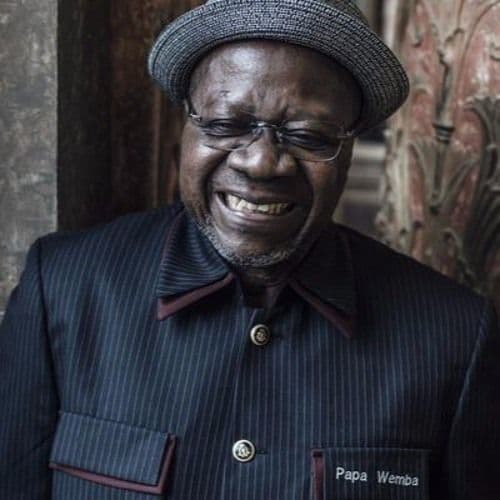
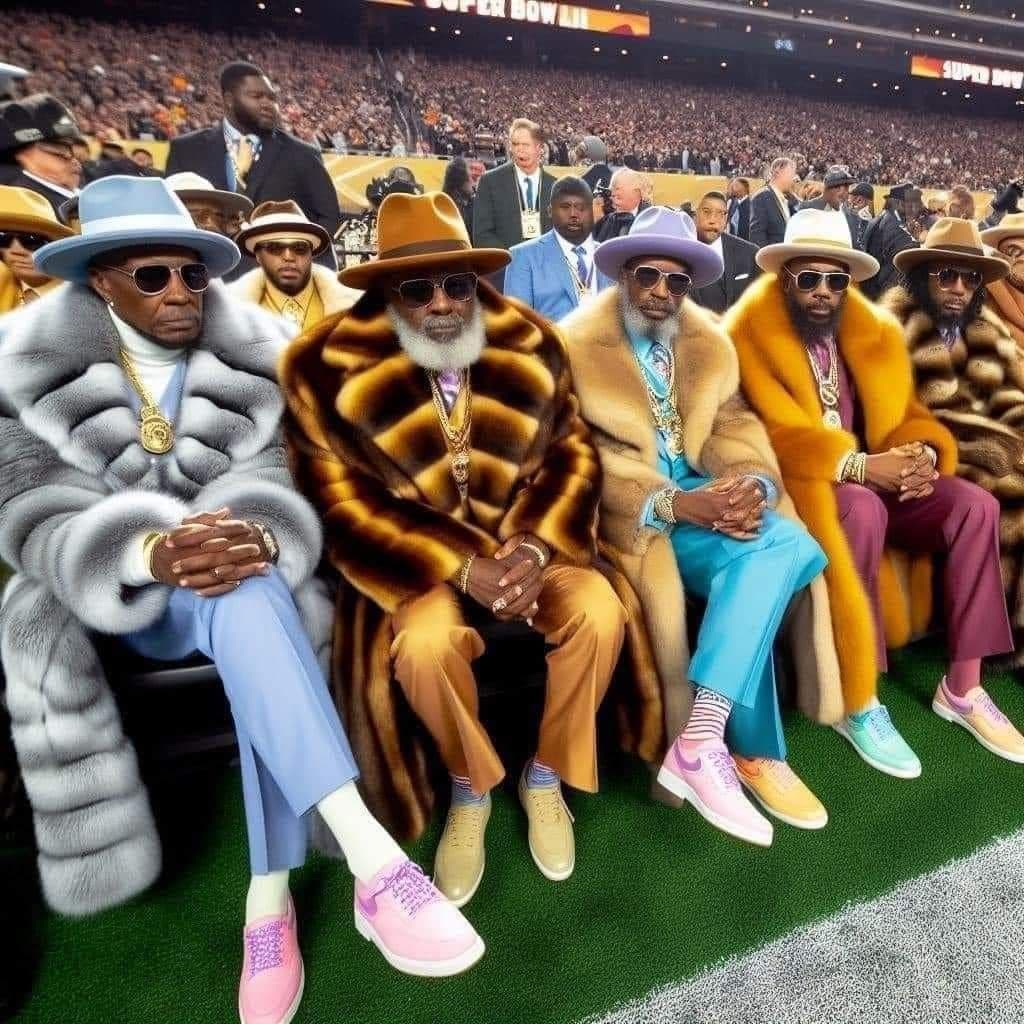
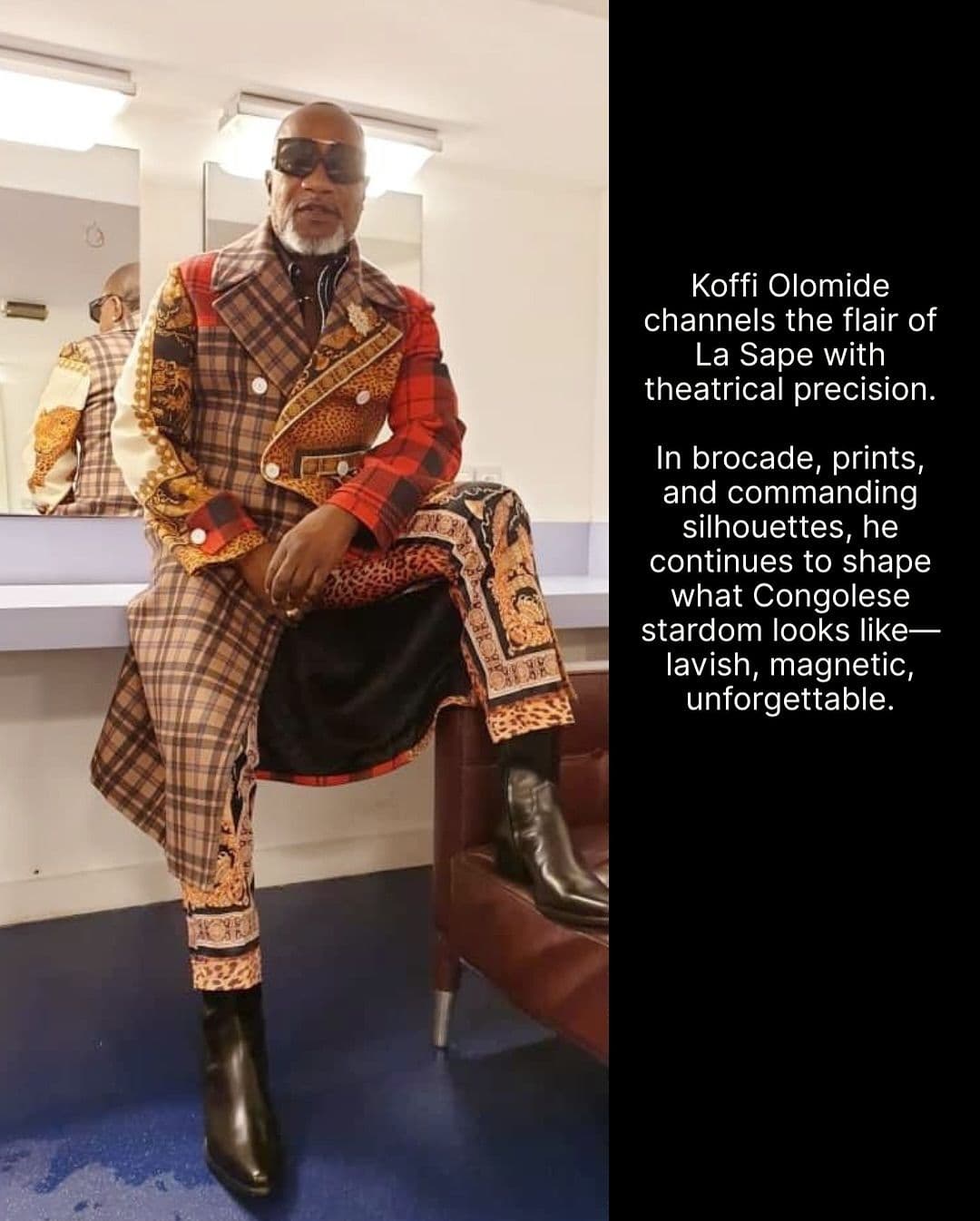
The SAPE (Société des Ambianceurs et des Personnes Élégantes) is the fashion movement inseparable from Congolese Rumba. Sapeurs treat fashion as philosophy: beauty, dignity, and joy as acts of resistance. Papa Wemba was SAPE's greatest musical ambassador. Today, Congolese sapeurs from Kinshasa to Paris gather at concerts where music and elegance converge.
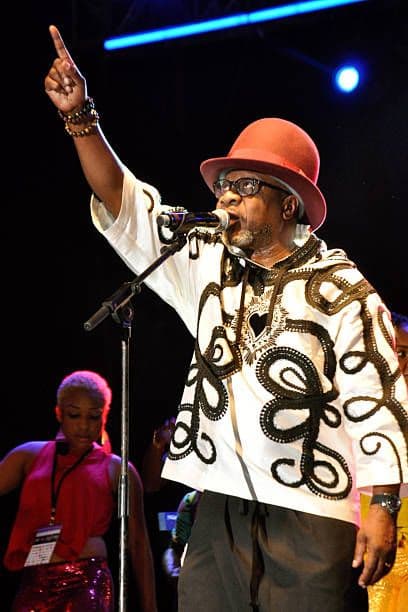
GIMS — Sapés comme jamais (SAPE in the diaspora)
Global Influence
How Rumba Shaped the World
Congolese Rumba's influence reaches far beyond Africa. Its guitar styles influenced West African highlife. Its stars filled arenas in Paris, Brussels, and New York. Its diaspora children — GIMS, Dadju, Damso — top European charts while proudly wearing their Congolese roots.
The World Cup 2026 saw a Congolese anthem go viral globally — evidence that Rumba's journey is far from over. Every generation rediscovers it, reimagines it, and adds their chapter to a story that began centuries ago on the banks of the Congo River.
Tobeta Bango — DRC World Cup 2026 anthem rumbaCulture.viralNote